
The government’s leasehold reform bill, officially the Commonhold and Leasehold Reform Bill, was introduced to Parliament on 19 November 2026. It covers England and Wales and would cap ground rent on existing leases at £250 a year, make commonhold the standard tenure for most new flats, abolish forfeiture and protect freehold homeowners on “fleecehold” estates. None of this is law yet. The Bill still has to pass both Houses and get Royal Assent, and the government’s own timetable puts the ground rent cap in 2028 at the earliest.
If you own a leasehold flat, are buying one or let one out, here is what has actually changed, what is only proposed, and the dates that matter. Scotland is not affected: it does not use leasehold for homes in the way England and Wales do.
What the leasehold reform bill proposes
A draft version was published on 27 January 2026 for scrutiny by MPs. The version introduced on 19 November is the government’s final Bill, and the MHCLG announcement on gov.uk sets out these main measures:
- Ground rent cap: a maximum of £250 a year on existing leases, starting six months after Royal Assent (expected 2028). Ground rent would then fall to zero, a peppercorn, 40 years after the cap starts. If you pay less than £250 now, your bill does not rise to £250. The government says up to one million leaseholders could benefit.
- Commonhold as the default: a modernised commonhold system, expected around 2029, where each flat owner owns their home outright with no lease that runs down, no ground rent and no third-party freeholder.
- Ban on new leasehold flats: most new flats could no longer be sold as leasehold, roughly two and a half years after the new commonhold model starts, so around 2031. Shared ownership is among the exceptions.
- Easier conversion: existing blocks could switch to commonhold with 50% support from flat owners, instead of the 100% needed now.
- End of forfeiture: the freeholder’s power to take back a flat over a breach of the lease, which the government says can be triggered by debts as low as £350, would be replaced by a court-led enforcement process.
- Fleecehold protections: owners of freehold houses who pay estate charges could no longer lose their homes to estate managers over unpaid charges, and ministers would get powers to cap excessive permission and administration fees.
- Repairs planning: building owners would have to plan for major works and build up funds in advance, rather than landing leaseholders with a large one-off bill.
How it fixes the 2024 Act
The Leasehold and Freehold Reform Act 2024 promised cheaper lease extensions, 990-year extensions and the end of marriage value, the extra premium charged when a lease drops below 80 years. Those parts were never switched on because of what MoneySavingExpert describes as “specific but serious flaws”. The new Bill corrects them, so the 990-year right and the removal of marriage value depend on it passing. There is no start date yet, and the rates used to price an extension have not been published, so nobody can tell you the new cost of extending today.
Some of the 2024 Act is already in force or has fixed dates:
- In force since 31 January 2025: the two-year ownership rule is gone. You can start a lease extension or freehold claim as soon as you are the registered owner.
- From 1 April 2027: leaseholders can demand information about service charges, and landlords will usually need court or tribunal permission to pass their legal costs on when you challenge a charge.
- From 1 November 2027: clearer buildings insurance and admin fee information for all leaseholders, plus standard service charge demands, accounts and annual reports from private landlords.
- From 1 November 2028: the same standard demands and reports from councils and housing associations.
Those service charge dates were announced on 11 November 2026 and still need the regulations to be approved by Parliament. If you think a charge is unreasonable now, you do not have to wait: you can already challenge it at the First-tier Tribunal.
What it means for you
Existing leaseholders. The biggest near-term win is the ground rent cap. As an illustration, if your lease says £400 a year, the cap would cut that to £250, a saving of £150 a year, from 2028 if the Bill passes on time. If you need to extend a short lease, think carefully about waiting. Under the current rules marriage value still applies below 80 years, and the new pricing is unknown, so a solicitor can help you weigh extending now against holding on.
Buyers of leasehold flats. The Bill does not change the lease you buy today. Check the years remaining, the ground rent and how it rises, the service charge history and any planned major works. Lenders still look closely at short leases and high ground rents, so run the numbers through our mortgage calculator and add stamp duty and legal fees with the closing costs and stamp duty calculator. Our guide to leasehold vs freehold in England and Wales covers the questions to put to your conveyancer.
Landlords with leasehold buy-to-lets. A lower ground rent improves cash flow slightly, while mandatory reserve funds could mean steadier, possibly higher, service charge contributions. Model both in the rental cash flow calculator rather than assuming costs will only fall.
Sellers. Expect buyers and their solicitors to ask about the cap and commonhold. A flat with a high, escalating ground rent may become easier to sell once the cap is law, but until then it is still a hurdle, and you should be ready with the lease, recent service charge accounts and any ground rent demands.
Worth knowing before you sign: everything in the Bill can still change as it goes through Parliament, including the £250 figure and the dates. Do not agree a price on a leasehold flat, or turn down a lease extension offer, on the assumption that these reforms will arrive on time. Base the decision on the lease as it stands, and treat any future saving as a bonus.
FAQ
When will the ground rent cap start?
The government plans to bring in the £250 cap six months after the Bill receives Royal Assent, which it expects to mean 2028. Until then, you pay whatever your lease says.
Is leasehold being abolished?
Not for existing homes. The plan is to stop most new flats being sold as leasehold from around 2031 and make it easier for existing blocks to convert to commonhold. Millions of current leases will carry on, with stronger protections.
Can I get a 990-year lease extension now?
No. The 990-year right and the end of marriage value depend on this Bill passing and then being brought into force. Today you can still extend a flat lease by 90 years under the existing rules, and you no longer need to have owned it for two years first.
Related tools: Mortgage Calculator · Closing Costs & Stamp Duty Calculator · Rental Cash Flow Calculator · All tools & checklists
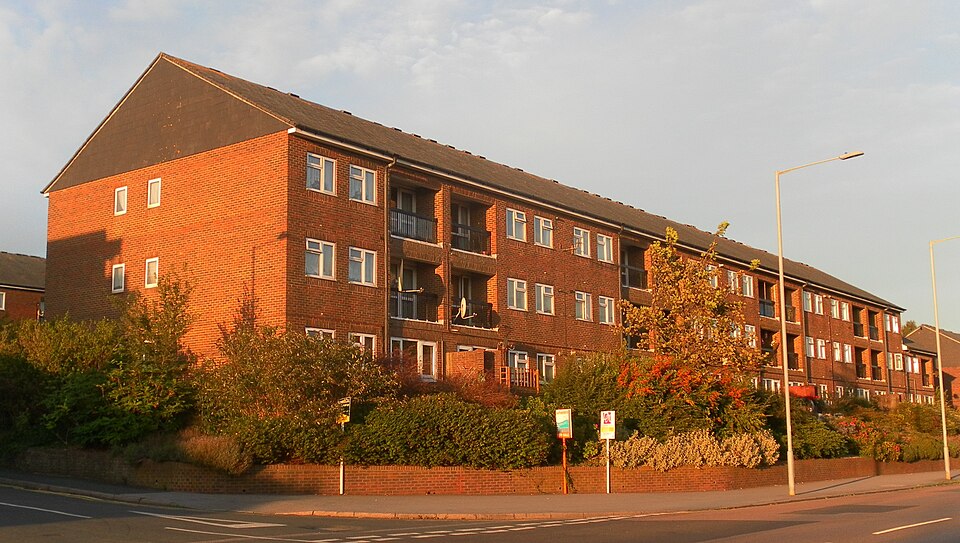
Sources: MHCLG: Historic move to dismantle leasehold and transform homeownership (19 November 2026); GOV.UK: Commonhold and Leasehold Reform Bill collection; MHCLG: service charge reform dates (11 November 2026); legislation.gov.uk: SI 2025/57, removal of the two-year rule; MoneySavingExpert: Leasehold reform another step closer; Leasehold Advisory Service: leasehold reforms explained. Featured photo: 1970s flats in Hove by Hassocks5489, CC0, via Wikimedia Commons. Checked November 19, 2026.
This article is general information, not legal, financial or mortgage advice. Speak to a solicitor or licensed conveyancer about your own lease.