
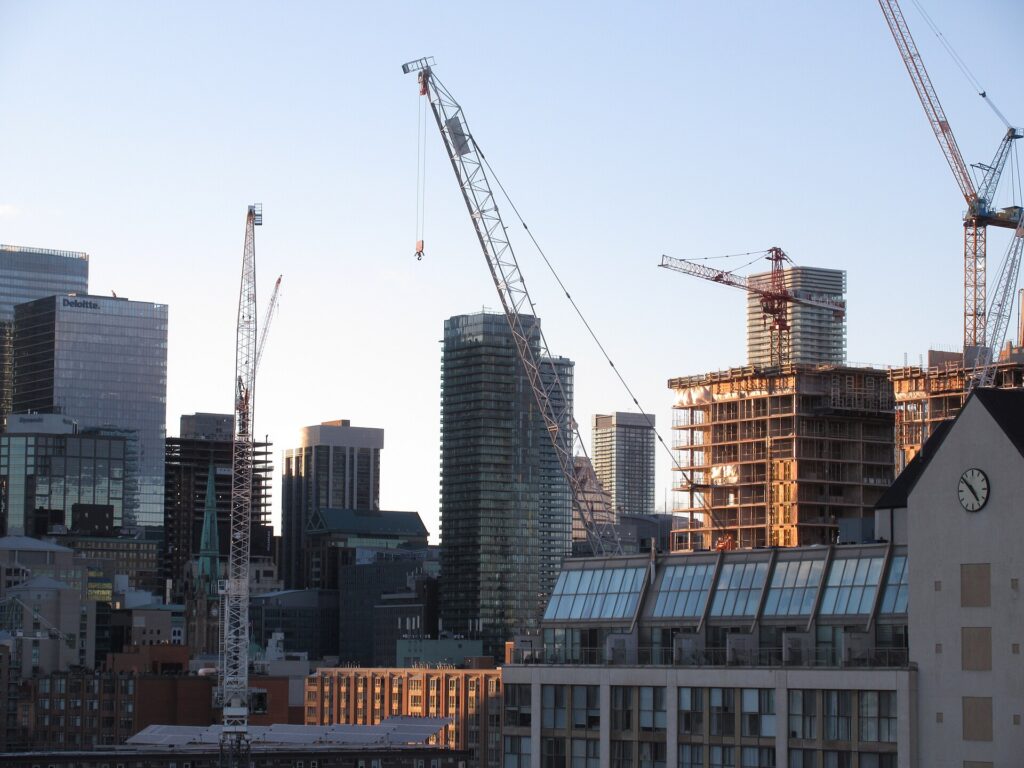
Canada housing starts slipped in October 2026. CMHC’s seasonally adjusted annual rate (SAAR) fell 2% to 244,558 units, down from 250,072 in September, and the six-month trend dropped 1.7% to 246,231. The short answer for buyers and renters: construction is still running at a high level by historical standards, but momentum is fading, especially in Toronto, and the homes that don’t get started this year are the ones that won’t be there to rent or buy in 2028 and 2029.
The figures come from the CMHC housing starts release for October 2026, published November 17. Here is what changed, where, and what it means for your next move.
Canada housing starts in October 2026: the key numbers
- Monthly SAAR, all areas: 244,558 units, down 2% from 250,072 in September.
- Six-month trend: 246,231 units, down 1.7% from 250,587.
- Actual starts in centres of 10,000+: 21,059 units, up 6% from 19,806 in October 2025.
- Year to date (centres of 10,000+): 192,023 units, down 3% from the same period last year.
- Rural starts: estimated at an annual rate of 13,675 units.
- Pending starts (approved permits not yet started): 139,592 units, down 3%.
- Under construction (centres of 50,000+): 369,569 units, roughly flat on the month. Completions jumped 24% to 21,621.
Two things can be true at once here. October itself was a busier month than October 2025 in raw terms, but the trend line, which smooths out monthly noise, is heading lower. Economists generally watch the trend more closely than any single month.
CMHC deputy chief economist Kevin Hughes said the results point to weaker momentum in home construction, with the national trend pulled down mainly by Ontario, British Columbia and the Atlantic provinces. He also flagged the drop in pending starts as a sign the near-term pipeline is softening, and warned that building too little during this slowdown could make affordability worse once demand comes back.
Toronto, Vancouver, Montreal and Calgary
The city picture is mixed, and the monthly and trend numbers sometimes point in different directions:
- Toronto: actual October starts rose to 1,900 from 1,445 a year earlier, but the six-month trend fell 10% to 22,299 as both single-detached and multi-unit activity weakened.
- Vancouver: actual starts climbed to 2,474 from 1,628, and the trend rose 2% to 26,586, driven by multi-unit projects.
- Montreal: actual starts of 3,165, up from 2,842, with the trend up 6% to 29,576, again led by multi-unit starts.
- Calgary: actual starts fell to 1,858 from 3,058 a year earlier, though the trend still rose 5% to 26,036.
Toronto stands out. A 10% drop in the trend in Canada’s largest market is the clearest sign yet that the pre-construction condo slowdown is now showing up in shovels in the ground.
Why housing starts matter for prices two to three years out
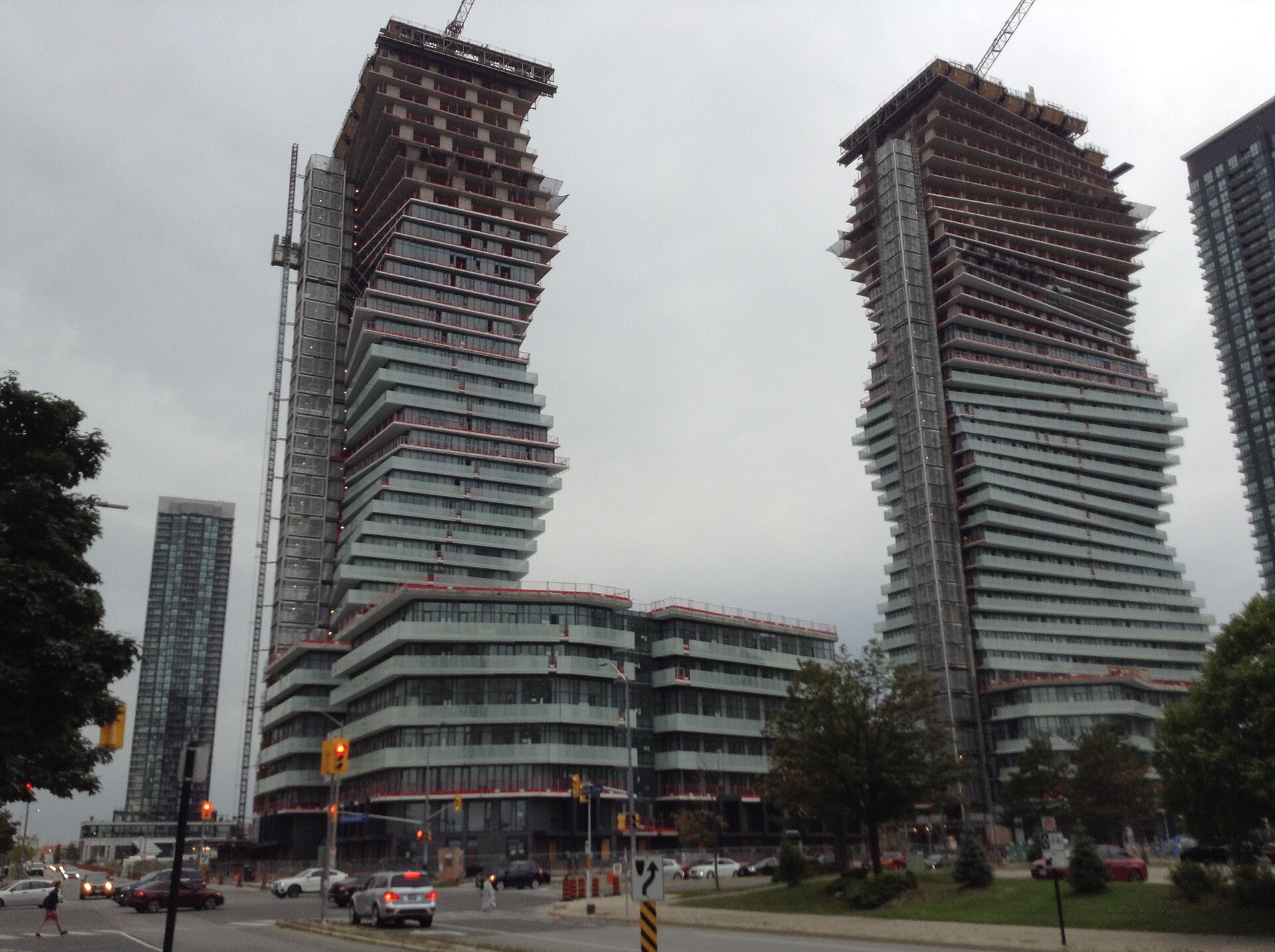
A start is counted when a foundation is poured, not when someone moves in. A detached house might take under a year to finish, but a condo tower usually takes several. That lag means today’s starts mostly shape supply in 2028 and 2029.
Right now, completions are high (21,621 units in October) because projects launched during the stronger years are wrapping up. That’s part of why condo rents and resale prices have been under pressure in some cities. The flip side is that a falling trend in starts, plus fewer pending projects, could mean a thinner supply of new units later in the decade, just as population growth and any later easing in borrowing costs bring buyers back. CMHC itself is warning about exactly that risk.
Demand is soft for now. CREA reported October national sales down 10.6% year over year and the MLS Home Price Index down 3.1% (our October 2026 home sales breakdown has the details). Borrowing also got more expensive: the Bank of Canada raised its overnight rate to 2.50% on October 28, and big-bank prime rose to 4.70%. See what the October rate hike means for borrowers. The next rate decision is December 9.
What it means for buyers, renters and investors
Buyers. In markets with lots of completions, especially Toronto condos, you may have more negotiating room on resale units and finished-but-unsold inventory than you’ll have in two or three years. Before you make an offer, run the payment at today’s higher prime-linked rates through our mortgage calculator, and check what lenders are likely to approve with the affordability calculator.
Renters. New purpose-built rentals and investor-owned condos finishing now are adding choice in several big cities. If you’re weighing whether to keep renting or buy while prices are soft, our rent vs buy calculator lets you test both paths with your own numbers.
Investors. Presale condos are a long bet. You commit to a price now, close years later, and carry the risk that rents or values at completion don’t cover your costs. Fewer starts may help values later, but that doesn’t fix a deal that doesn’t cash flow at today’s rates.
Worth knowing before you sign: a presale agreement typically spreads deposits across several payments before occupancy, and the final price you close at can include development charges, levies and closing adjustments that aren’t in the headline price. Read the agreement’s cap on extra charges, budget for land transfer tax at closing (our closing costs calculator helps here), and have a real estate lawyer review it within your province’s cooling-off period, where one applies.
FAQ
What were Canada’s housing starts in October 2026?
CMHC reported a seasonally adjusted annual rate of 244,558 units, down 2% from September. The six-month trend was 246,231 units, down 1.7%.
What is the SAAR in housing starts?
It stands for seasonally adjusted annual rate. CMHC takes one month’s starts, removes normal seasonal swings, and expresses the result as if that pace lasted a full year. It’s useful for comparing months, but a single month can be noisy, which is why the six-month trend is also published.
When is the next CMHC housing starts release?
CMHC says November 2026 data will be released on December 15, 2026, at 8:15 a.m. ET.
Related tools: Mortgage Calculator · Affordability Calculator · Rent vs Buy Calculator · Closing Costs Calculator · All tools & checklists
Sources: CMHC, Housing starts and construction data for October 2026 · BNN Bloomberg / The Canadian Press, November 17, 2026. Featured photo: construction cranes on the Toronto skyline by booledozer, CC0, via Wikimedia Commons. Figures checked November 19, 2026.
This article is general information, not financial, legal or mortgage advice. Speak to a licensed mortgage professional or real estate agent about your own situation.