
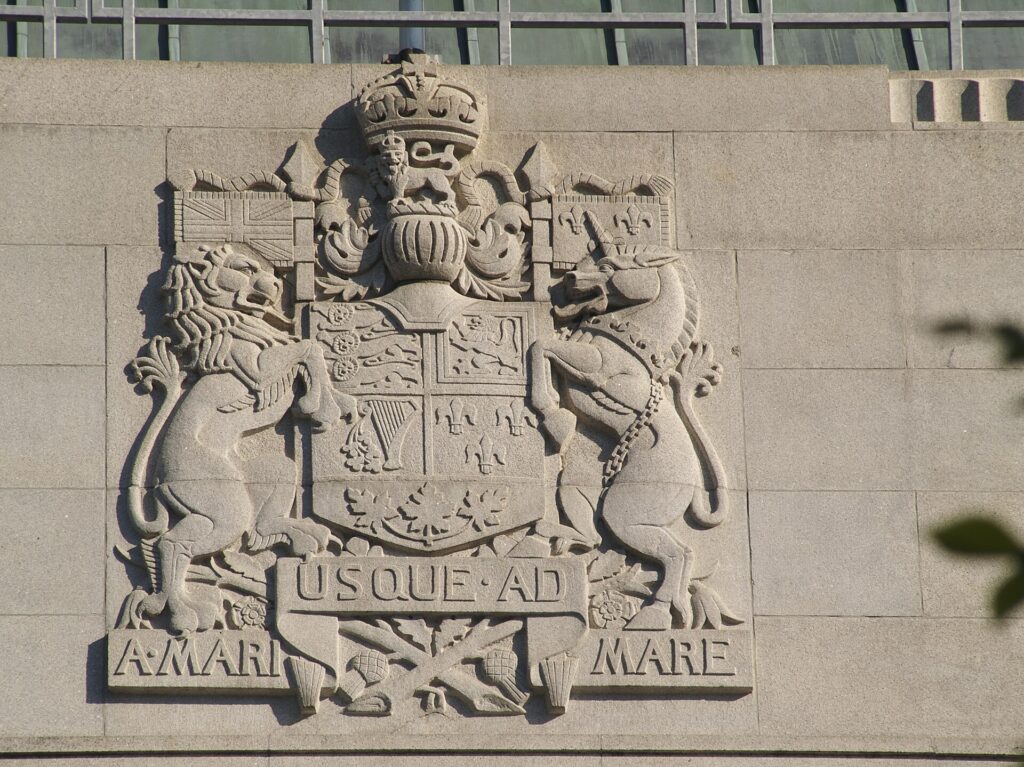
The Bank of Canada rate hike on October 28, 2026 raised the overnight rate by a quarter point, from 2.25% to 2.50%. If you have a variable-rate mortgage or a home equity line of credit, your cost went up within a day, because the big banks moved their prime rate from 4.45% to 4.70% effective October 29. If you have a fixed rate, nothing changes until renewal, but the rate you are offered then may be higher than you hoped. Here is what the move means in dollars, and what to check before your next mortgage decision.
This was the first increase since 2023. The Bank Rate is now 2.75% and the deposit rate 2.45%. In its statement, the Bank said inflation has been around 3% since April and is likely to reach about 3.5% by the end of the year, mostly because of high energy prices. Excluding gasoline, inflation was 2.2% in September and core measures are close to 2%. The worry is that expensive energy spreads into the price of everything else, so the Bank moved early. It also said there “could be a need” to raise the rate further, while promising to proceed carefully.
Variable-rate mortgages after the Bank of Canada rate hike
Most variable mortgages in Canada are priced as prime plus or minus a fixed discount. Your discount does not change, so a 0.25 point move in prime becomes a 0.25 point move in your rate. What happens next depends on which kind of variable mortgage you hold.
With an adjustable-payment mortgage, the lender raises your monthly payment so the amortization stays on track. With a fixed-payment variable mortgage, which several of the big banks offer, the payment stays the same but more of it goes to interest and less to principal. That feels painless in the short run, yet it stretches the time it takes to pay off the loan.
A worked example, using a $500,000 balance with 25 years left and a rate of prime minus 0.75:
| Before and after | Rate | Monthly payment | Interest in month one |
|---|---|---|---|
| Prime 4.45% | 3.70% | $2,557 | $1,542 |
| Prime 4.70% | 3.95% | $2,625 | $1,646 |
On an adjustable-payment mortgage that is about $68 more each month, or roughly $820 a year. On a fixed-payment version, the payment stays at $2,557 but about $104 a month that used to reduce your balance now goes to interest instead. The figures assume monthly compounding and are rounded; your lender’s statement is the number that counts. You can rerun them with your own balance in our Mortgage Calculator.
HELOCs feel it straight away
Home equity lines of credit are almost always priced at prime plus a margin, and many people pay only the interest. A $50,000 balance at prime plus 0.50 went from 4.95% to 5.20%. The interest-only payment rises from about $206 to about $217 a month. Small on its own, but if the Bank raises again in December, the same step happens again. If you carry a large HELOC balance with no plan to pay it down, this is a good moment to set one.
What about fixed rates?
Fixed mortgage rates do not follow the overnight rate directly. Lenders price them off Government of Canada bond yields, especially the five-year yield, and those yields had already climbed through the summer and early autumn as inflation stayed near 3%. In other words, a good part of the hike was priced into fixed rates before October 28. The bigger question for fixed rates is what markets expect next: if traders think more hikes are coming, yields and fixed rates can keep drifting up even without another announcement.
Renewing in 2026 or 2027
Many borrowers who took five-year fixed terms around 2021 and 2022 renew over the next year or so. If you locked in near 2% back then, today’s offers will still look high. Three practical steps help:
First, read your renewal statement as soon as it arrives. Federally regulated lenders must send it at least 21 days before the term ends, and you can shop elsewhere in the meantime. Second, ask for a rate hold. Most lenders will hold an offer for 90 to 120 days, which protects you if rates keep rising while you decide. Third, compare the cost of breaking early against waiting. If you are thinking about switching lenders before maturity, check the exit cost first in our Mortgage Renewal and Penalty Calculator. For the payment side, our guide on how to calculate your mortgage payment after renewal walks through the maths step by step.
The stress test now bites a little harder
For uninsured mortgages, OSFI’s minimum qualifying rate is the greater of your contract rate plus 2 points or 5.25%. A variable rate that moved from 3.70% to 3.95% now has to qualify at 5.95% instead of 5.70%, so the maximum loan a given income supports shrinks slightly. Buyers who were close to their limit should rerun the numbers in our Affordability Calculator before making an offer. The good news for renewers: OSFI does not expect lenders to apply the stress test to a straight switch of an uninsured mortgage at renewal, as long as you do not add to the loan or the amortization.
When is the next decision?
The Bank’s next scheduled rate announcement is December 9, 2026, and the next full Monetary Policy Report comes on January 27, 2027. Watch the November and December inflation numbers before then; if energy prices keep feeding through, another increase is a real possibility. If inflation cools, the Bank may hold. Nothing is decided in advance.
Quick questions
Did my variable mortgage payment go up right away?
If your payment adjusts with prime, the change usually appears from your next payment after October 29. If you have a fixed-payment variable mortgage, the payment amount stays the same, but more of each payment goes to interest.
Should I lock into a fixed rate now?
It depends on how much payment risk you can live with. Locking gives certainty, but fixed rates already reflect expected hikes, and breaking a fixed mortgage later can be expensive. Compare both options over the full term before deciding.
Does the hike change my fixed rate before renewal?
No. A fixed rate is set for the whole term. The hike only matters when your term ends and you renew or switch.
Related tools: Mortgage Calculator · Mortgage Renewal & Penalty Calculator · Affordability Calculator · All tools & checklists
Sources: Bank of Canada, October 28, 2026 rate announcement; National Bank prime rate release (4.70% effective Oct 29, 2026); OSFI minimum qualifying rate; FCAC renewal statement rules. Payment figures are our own calculations. Checked November 8, 2026.
This article is general information, not financial or legal advice. Talk to a licensed mortgage professional about your own situation.