
Ask most first-time buyers in England and Wales to explain the difference between leasehold and freehold and they can usually get the basics right. Ask them what changed under the Leasehold and Freehold Reform Act 2024, and the answers get a lot shakier, partly because the Act itself is only partly switched on, and a second, much bigger reform is still just a draft Bill sitting in front of a select committee.
Freehold, leasehold, and why flats are almost always leasehold
A freehold means owning the building and the land it sits on outright, with no time limit and no ground rent. A leasehold means owning the right to occupy a property for a fixed number of years, typically 99 to 999 at the outset, while someone else, the freeholder, owns the land underneath. Houses are usually sold freehold. Flats are almost always sold leasehold, because English and Welsh property law has historically had no straightforward way to split ownership of a single building between separate unit owners, which is also why ground rent, service charges and freeholder consent for alterations are a routine part of owning a flat and not something a house buyer usually deals with.
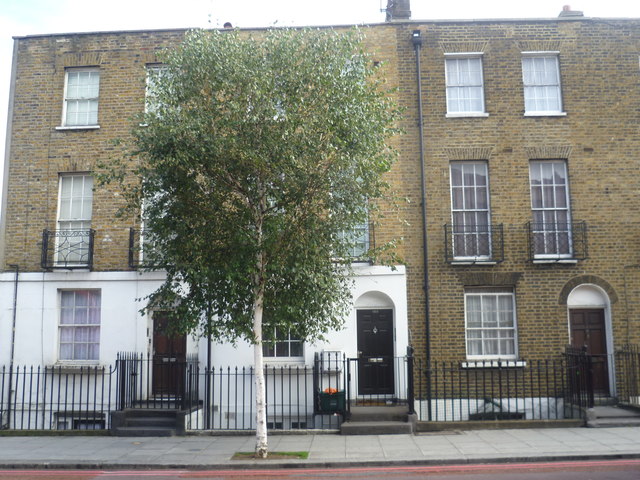
Photo: Kim Traynor, CC BY-SA 2.0, via Wikimedia Commons
What the 2024 Act actually switched on
The Leasehold and Freehold Reform Act 2024 received royal assent in May 2024, but Parliament passing an Act and that Act taking effect are two different events, and large parts of this one are still waiting on secondary legislation. As of now, three groups of provisions are actually in force. Building safety amendments commenced in October 2024. The old rule requiring a leaseholder to own their flat for two years before extending the lease or buying the freehold was abolished at the end of January 2025, so a buyer can act on day one. Right to manage reforms commenced in March 2025, raising the share of non-residential floor space a building can have and still qualify for 50%, removing the leaseholder’s liability for the freeholder’s costs on a straightforward claim, and routing disputes to the tribunal first.
Worth knowing before you sign: the headline reforms are not live yet
The changes that got the most press coverage when the Act passed are the ones still sitting dormant. Marriage value, an extra charge added when a lease has fewer than 80 years left, has no abolition date set; a lease extension today still includes it in full. The right to a 990-year extension instead of the old 90 years has not been commenced either, so claims made now still only add 90 years. The lower deferment and capitalisation rates that were meant to cut extension and enfranchisement premiums need their own secondary legislation, and a public consultation on those rates only closed in September 2026, so the older 5% Sportelli benchmark is still what valuers use. Leaseholders also still pay the freeholder’s non-litigation costs on an extension, since the provision repealing that has not been switched on, and the ban on selling new-build houses as leasehold has not commenced at all. A buyer who read a headline from 2024 and assumes any of this is already working in their favour is very likely wrong.

A separate, bigger reform that is still just a draft
The £250-a-year ground rent cap that gets talked about most is not even part of the 2024 Act. It sits in the draft Commonhold and Leasehold Reform Bill, announced in the King’s Speech in May 2026. As of this year, that Bill has been published for pre-legislative scrutiny, with a House of Commons select committee examining it from February 2026, and it has not been formally introduced to Parliament as a Bill that could pass, let alone received royal assent. If it eventually becomes law in its current form, ground rents above a new property would be capped at £250 a year and reduced to a peppercorn, meaning effectively nothing, after 40 years; forfeiture, where a freeholder can in theory seize a leaseholder’s home over unpaid charges, would be abolished and replaced with a different enforcement route; and converting an existing leasehold building to commonhold, a form of ownership that removes the freeholder from the picture entirely, would get easier. None of that is enforceable today. A seller, an agent or even a mortgage broker describing any of it as a done deal is describing a plan, not a right.
What this means when buying a leasehold flat today
Take a flat with a 75-year lease remaining. Under today’s rules, extending that lease means paying full marriage value because the lease is under 80 years, using the 5% Sportelli deferment rate in the premium calculation, covering the freeholder’s reasonable non-litigation costs, and getting a 90-year extension at the end of it, not 990. A conveyancing solicitor or a leasehold valuer can run the actual premium, which depends heavily on the ground rent terms and the property’s value, but the point for a buyer deciding whether to proceed is that none of the 2024 Act’s cost-reducing provisions apply to that calculation yet. A flat with a lease above 125 years is in a different position entirely, since none of this urgency applies for years, which is exactly why lease length belongs on the list of things to check before making an offer, not after.
Ground rent, service charge history and the length of the lease all affect what a lender will offer and what the property is actually worth, so it is worth checking a leasehold flat’s numbers, alongside stamp duty, through our UK Stamp Duty guide and Closing Costs Calculator before making an offer, rather than after.
This is general information, not legal advice. The commencement of the Leasehold and Freehold Reform Act 2024 and the progress of the draft Commonhold and Leasehold Reform Bill can both change; check legislation.gov.uk and gov.uk for the current position, or speak with a leasehold solicitor, before relying on any of this for a specific purchase. See our Disclaimer for more.
Most First Homes and many new-build houses are sold freehold, but check the tenure either way; see our guide to the First Homes discount for how that scheme works.
Related tools
- Affordability Calculator: how much home your income can support
- First-Time Buyer Step-by-Step: every step from pre-approval to keys
- Documents to Buy a Home Checklist: what lenders and lawyers will ask for
Browse all our free tools and checklists, or find quick answers in our FAQ.