

Canada’s federal budget, tabled on November 5, 2026, contains a long list of housing measures, and most of them are proposals rather than rules you can use today. The Budget 2026 housing package would keep the foreign buyer ban on existing homes until 2029 while opening newly built homes to non-Canadians, raise the price cap on optional mortgage insurance from $1 million to $1.5 million, and let small apartment buildings and new multiplexes get insured financing from February 1, 2027. Here is what each change means and which ones have a start date.
Budget 2026 housing measures at a glance
- Foreign buyer ban: extended by two years, to January 1, 2029, for existing homes, with new residential properties exempt. Proposed; legislation and regulations still to come. The current ban runs to January 1, 2027.
- Optional mortgage insurance: price cap raised from $1 million to $1.5 million, with 30-year amortizations if at least one borrower is a first-time buyer or the home is newly built. Proposed, no start date yet.
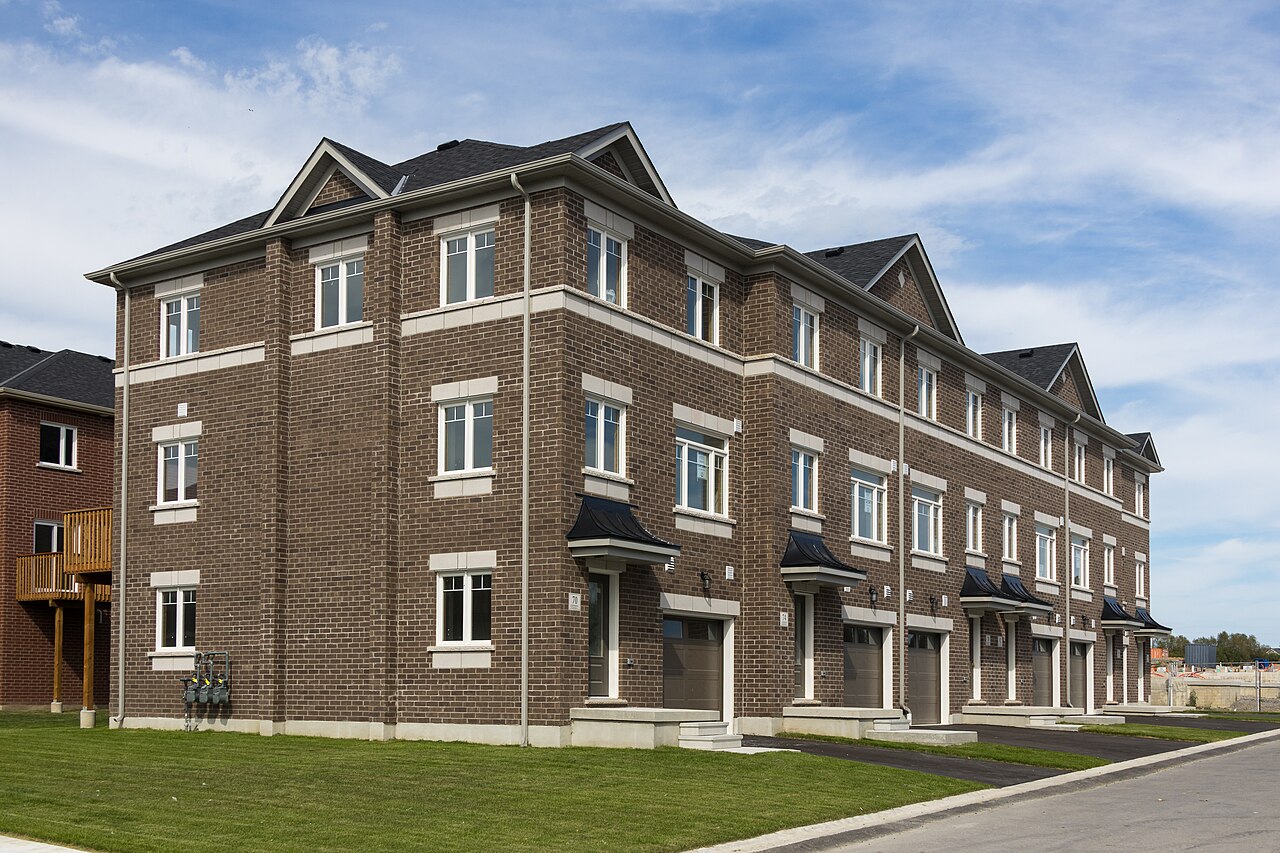
- Multiplexes and small apartment buildings: new insurance rules for new three- and four-unit homes, and private insurers allowed to cover 5 to 50 unit buildings. Applications from February 1, 2027.
- Mortgage transparency: insured mortgage rate data to be published by the Bank of Canada, and a consultation on clearer prepayment penalties for insured mortgages. Proposed.
- Income verification: the CRA would be allowed to offer lenders and insurers an income verification service to fight mortgage fraud, with $13 million over three years starting in 2027-28.
- Rental help and supply: the Canada Housing Benefit renewed for 10 years ($1.7 billion over three years from 2028-29 plus $3.9 billion later), and an extra $13 billion for Build Canada Homes.
Foreign buyers: resale homes stay closed, new homes open up
The federal ban on non-Canadians buying residential property was due to end on January 1, 2027. The budget would extend it to January 1, 2029 for existing homes but exempt new residential properties. The government has not yet said exactly what will count as “new”, so anyone outside Canada thinking about a pre-construction condo should wait for the legislation and regulations before signing. Until a new law passes, the current rules described in our guide to Canada’s foreign buyer ban still apply.
For Canadian buyers of resale homes, nothing changes: foreign competition for existing houses and condos stays off the table for two more years. The bigger effect is likely in the new-build condo market, where sales have been weak. In the Greater Toronto Area, condo apartment prices were down 5.8% year over year in October, as covered in our Toronto housing market update.
Optional mortgage insurance up to $1.5 million: who gains
Since December 15, 2024, buyers putting less than 20% down have been able to get an insured mortgage on homes priced up to $1.5 million. The budget is aimed at a different group: buyers with a larger down payment who choose to insure the loan anyway. For them the price cap is still $1 million. Insured mortgages are usually priced lower because the lender is protected if the borrower defaults, so raising that cap could give buyers of homes between $1 million and $1.5 million access to cheaper rates. The budget does not give a start date, and it has not said how the insurance cost would be charged.
A worked example. Take a $1.2 million home in the GTA with 20% down, a $960,000 mortgage and a 25-year amortization. At an illustrative uninsured rate of 4.50%, the payment is about $5,313 a month. If insurance let the same borrower get 4.30%, the payment falls to about $5,207, roughly $106 a month or $6,360 over a five-year term, before any insurance cost. A first-time buyer who also took the proposed 30-year amortization at 4.30% would pay about $4,729 a month, though more interest over the life of the loan. Run your own numbers with our Mortgage Calculator, and check whether you still pass the stress test with the Affordability Calculator.
Multiplexes and small apartment buildings: the part with a start date
The clearest change is for small investors and builders. From February 1, 2027, lenders can send insurers applications under two new sets of rules published by the Department of Finance:
- New three- and four-unit homes: up to 90% of the projected value at completion, 30-year amortization, maximum GDS of 39% and TDS of 44% at the minimum qualifying rate, a credit score of at least 600 for one borrower or guarantor, no maximum property value and no owner-occupancy requirement.
- Buildings with 5 to 50 units: private insurers can cover construction, purchase, refinance and renewal, with loan-to-value up to 90% for new construction and 85% otherwise, amortization up to 50 and 40 years, a minimum debt coverage ratio of 1.15 on five-year terms, and borrower net worth of at least 25% of the loan, with a $100,000 minimum.
Planning a fourplex or small rental building? Test the rents and costs first with our Rental Cash Flow and Cap Rate Calculator.
Renewals, penalties and rate transparency
Two smaller proposals matter to anyone with an insured mortgage. The Bank of Canada would publish more detailed insured mortgage rate data so borrowers can compare offers at renewal, and Ottawa will consult on making prepayment penalties easier to understand. The budget does not propose capping penalties. If you are thinking of breaking a mortgage early, our Mortgage Renewal and Penalty Calculator estimates the cost under today’s rules.
What happens next
Most measures still need legislation or regulations, and details can change. The Bank of Canada’s next rate decision is on December 9, 2026, after it raised its policy rate to 2.50% on October 28. Our Bank of Canada rate hike explainer covers what that means for variable and HELOC payments.
FAQ
Is the foreign buyer ban ending in 2027?
Not if the budget proposal becomes law. The ban on existing homes would be extended to January 1, 2029, while newly built homes would be exempt. Until legislation passes, the current ban, which runs to January 1, 2027, applies.
Can I get a 30-year mortgage in Canada now?
Insured 30-year amortizations are already available to first-time buyers and to buyers of new builds when the down payment is under 20%. The budget would extend 30 years to optional insurance on homes up to $1.5 million for the same groups.
Did Budget 2026 change the stress test?
No. The budget does not change OSFI’s minimum qualifying rate, which is the greater of 5.25% or your contract rate plus two percentage points for uninsured mortgages.
Related tools: Mortgage Calculator · Affordability Calculator · Mortgage Renewal & Penalty Calculator · Rental Cash Flow & Cap Rate Calculator · All tools & checklists
Sources: Budget 2026, Chapter 3: A more affordable life (November 5, 2026); Department of Finance, mortgage insurance rule changes for missing middle housing; Bank of Canada interest rate announcement, October 28, 2026; OSFI minimum qualifying rate guideline. Figures checked November 12, 2026. The February 1, 2027 multiplex rules have published parameters; all other measures are proposals and may change. Rates in the example are illustrative, not quotes.
This article is general information, not financial, legal or mortgage advice. Speak to a licensed mortgage professional or real estate lawyer about your own situation.