
Canada’s ban on foreign home buyers is not a temporary pandemic-era rule that quietly expired. It was extended in February 2024 and now runs to January 1, 2027, and it carries a real penalty for buyers and anyone who knowingly helps them get around it. Here is what the Prohibition on the Purchase of Residential Property by Non-Canadians Act actually covers, who is exempt, and what happens if it is breached.
What the ban actually covers
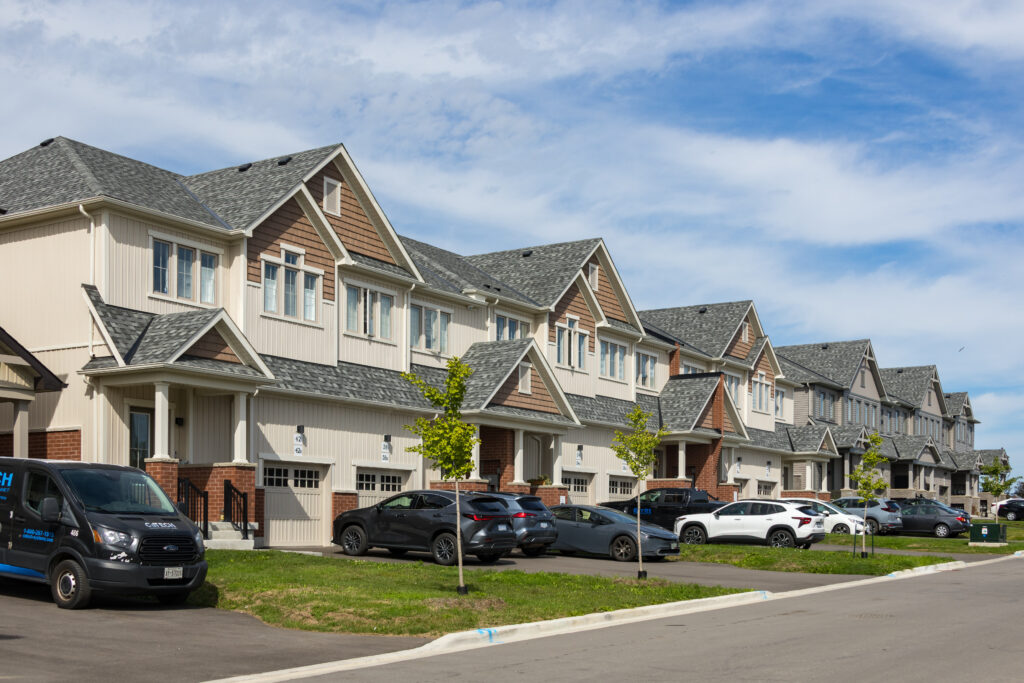
The Act took effect January 1, 2023, and bans the purchase of residential property by non-Canadians — people who are not Canadian citizens or permanent residents, and foreign commercial enterprises. “Residential property” under the regulations means a detached house or similar building with no more than three dwelling units, a semi-detached house, a rowhouse unit, or a residential condominium unit.
A detail that surprises a lot of buyers: the ban only applies inside a census metropolitan area (CMA) or census agglomeration (CA) — Statistics Canada’s terms for cities and their surrounding commuter zones. Property outside those boundaries, including most rural land and recreational property, falls outside the regulations entirely. A condo in Toronto is covered; a cottage three hours north of it usually is not.
Who is exempt
The ban is narrower than its headlines suggest. The regulations carve out several groups, each with its own conditions:
- Permanent residents and Canadian citizens are outside the ban’s scope entirely, including dual citizens.
- Work permit holders are exempt if they have at least 183 days of validity remaining on their work authorization on the purchase date, and they buy no more than one residential property.
- International students are exempt if they have filed tax returns for each of the previous five years, were physically present in Canada at least 244 days in each of those years, the purchase price is no more than $500,000, and they buy no more than one property.
- Refugees and refugee claimants — protected persons are exempt under the Act, and claimants whose claim has been referred to the Refugee Protection Division are exempt under the regulations.
- Diplomatic and consular staff, holders of official acceptances, and people granted temporary status to flee conflict are also exempt.
- Spouses and common-law partners of an exempt person (a citizen, permanent resident, or someone else on this list) can buy jointly with them without triggering the ban.
None of these exemptions are self-certifying in a way a lawyer or lender will simply take on faith; expect to document the relevant dates, permits, and tax filings before closing, not after an offer is accepted.
What happens if it is breached
A non-Canadian who buys in breach of the ban, and anyone who knowingly assists them (a realtor, lawyer, or notary who helps structure around it), can be fined up to $10,000. A provincial superior court can also order the property sold on the government’s application — though the sale itself to the non-Canadian buyer remains legally valid until a court acts. In practice this means the real exposure is financial and reputational for everyone involved in the transaction, not just the buyer.
What happens at the 2027 deadline
The ban was originally set to expire January 1, 2025, then extended by the federal government in February 2024 to January 1, 2027 — a sign it can be extended again. The government has said it intends to review the policy before that date, looking at how other countries with similar restrictions, such as Australia, have structured their rules. Buyers and advisors working on anything that will close near the deadline should treat the end date as a planning risk, not a fixed fact.
Worth knowing before you sign
- Check whether the property sits inside a census metropolitan area or census agglomeration before assuming the ban applies at all — many recreational and rural properties are outside it by definition.
- If you are relying on an exemption (work permit, student status, or spousal), gather the supporting documents (permit dates, tax filings, proof of physical presence) well before writing an offer, not during conditions.
- A real estate agent or lawyer who suggests structuring a purchase through a corporation or trust to get around the ban is proposing something the regulations are specifically designed to catch.
- Because the ban is federal, it stacks on top of any separate provincial foreign-buyer taxes (such as Ontario’s or British Columbia’s) rather than replacing them.
Rates and sources
| Figure | Value | Source |
|---|---|---|
| Ban in effect since | January 1, 2023 | Bennett Jones |
| Extended deadline | January 1, 2027 (announced Feb. 4, 2024) | Bennett Jones |
| Maximum fine for breach | Up to $10,000 (buyer and knowing assistants) | WealthNorth summary of the Act |
| International student exemption price cap | $500,000, max. 1 property, 244 days/yr presence for 5 years | WealthNorth summary of the Act |
| Work permit exemption | 183+ days validity remaining, max. 1 property | WealthNorth summary of the Act |
| Geographic scope | Applies only inside a census metropolitan area or census agglomeration | WealthNorth summary of the Act |
Rules and figures checked on October 15, 2026 against the primary sources linked above.
Buying with a mortgage once you’ve confirmed you’re not caught by the ban? Our Mortgage Calculator and Closing Costs & Land Transfer Tax Calculator cover Canada alongside the USA and UK.
This article is general information, not advice. Eligibility under the foreign buyer ban depends on your specific immigration status, dates, and the property’s location — confirm your situation with an immigration or real estate lawyer before making an offer. See our disclaimer for details.
Related tools
- Documents to Buy a Home Checklist: what lenders and lawyers will ask for
- First-Time Buyer Step-by-Step: every step from pre-approval to keys
- Closing Costs & Land Transfer Tax Calculator: land transfer tax, stamp duty and closing costs by province, state or nation
Browse all our free tools and checklists, or find quick answers in our FAQ.