
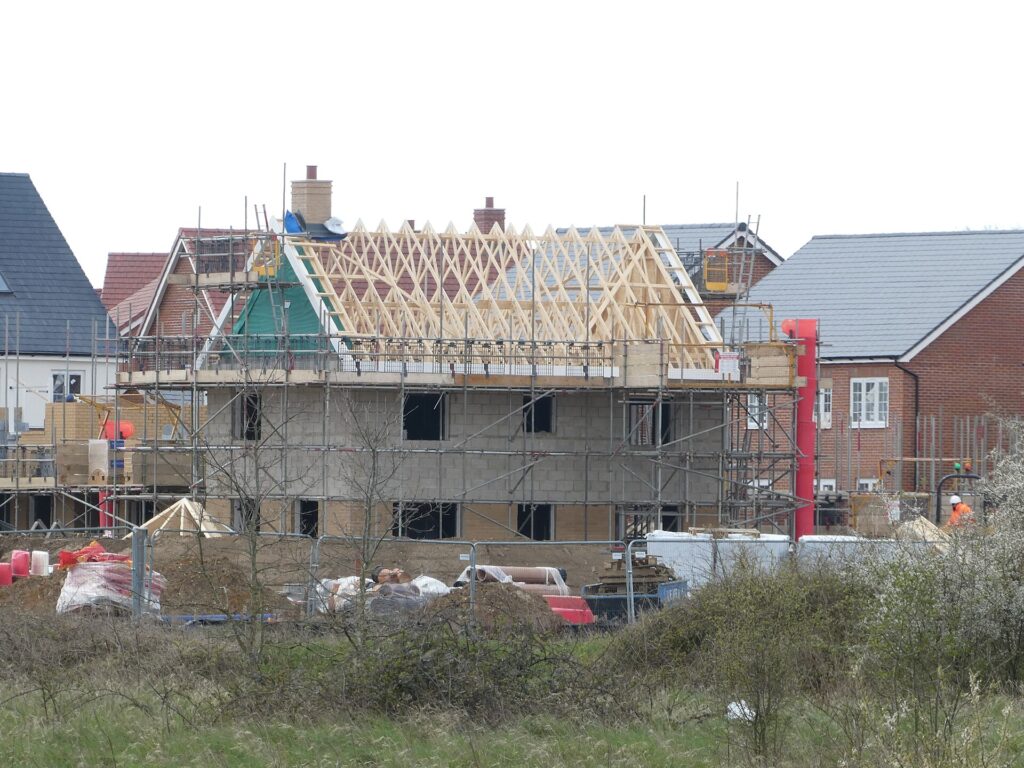
A self build structural warranty is a 10-year insurance policy that pays for major defects in a home you have built yourself, such as failing foundations, a sagging roof structure or water getting through the walls. You don’t legally have to have one in England, but in practice almost every mortgage lender asks for it, both for a self-build mortgage and for anyone who wants to buy or remortgage the house in its first 10 years. The key point is timing: it is cheapest and simplest to arrange before any work starts on site.
Developers building for sale arrange this cover through NHBC or another provider as standard. On a self-build, nobody does it for you. That is why people searching for a “self build 10 year structural warranty” are often already halfway through a project and worried.
What a self build structural warranty covers
The cover is aimed at serious problems caused by defective design, workmanship or materials. Policies typically include the structure itself (foundations, load-bearing walls, floors and roof structure), the waterproof envelope that keeps rain out, and often new drainage. Exact wording varies, so the exclusions list is the part to read most carefully.
What it does not cover is snagging: sticking doors, cracked plaster from normal drying out, poor paintwork or minor finishing faults. On a self-build there is no developer to send back to fix those, so they are your problem from day one.
Most policies run for 10 years from completion. Some offer extra cover in the first one or two years. Self-Build magazine notes that many providers require the owner to live in the home for the first 12 months before the policy becomes fully transferable to a buyer.
Why lenders insist on it
Lenders want to know the house they are lending against won’t lose its value to a hidden structural defect. For a self-build, most will not release staged funds without a warranty in place, and some want to see the provider’s inspection reports at each stage. The same requirement comes back if you remortgage within 10 years, or when your buyer applies for their own mortgage. Without a warranty, your pool of buyers in that first decade shrinks to cash buyers, which usually means a lower price.
Building control sign-off is not a substitute. A completion certificate confirms the work met the Building Regulations when inspected. It isn’t insurance, and it won’t pay for repairs if something fails later.

When to buy it and what it costs
Arrange the warranty before you break ground. The provider will review your drawings and then send its own surveyor to inspect at key stages. A typical new home gets at least four site audits and sometimes up to eight, commonly at foundations, superstructure, roof, pre-plaster and completion.
Prices depend on build value, construction method and location. Self-Build magazine puts typical costs from about £1,500, rising well beyond that for large or high-value projects. Expect the quote to combine the insurance premium and the inspection fees.
Leaving it late costs more. Once inspection stages have been missed, the insurer is taking on more risk, so premiums rise and some providers will not quote at all. Buying after completion, sometimes called a retrospective warranty, is possible with a few specialist providers but is getting harder to find. An architect’s certificate is sometimes offered as a cheaper alternative, but it is not insurance: you would have to prove the professional was negligent, and it doesn’t protect you if a builder goes out of business.
Providers and what to compare
Homebuilding & Renovating names LABC Warranty, BuildCare, Protek and ProAktive among the providers offering self-build cover, and specialist brokers can search the wider market. When comparing quotes, check:
- that your lender accepts that provider (ask the lender for its approved list);
- the insurer’s financial strength rating, since a policy is only as good as the company behind it;
- the number of inspections and whether they fit your build schedule;
- what is excluded, especially for timber frame, basements or unusual materials;
- whether cover transfers automatically to a buyer, and when.
Don’t forget the VAT refund deadline
Self-builders in the UK can usually reclaim VAT on eligible building materials under HMRC’s DIY Housebuilders Scheme. For homes completed on or after 5 December 2023, the claim must be made within 6 months of completion, up from 3 months previously, and it can now be made online or on form VAT431NB. The clock starts from the completion certificate, so keep paperwork for both the warranty and the VAT claim together.
Our New Build Home Checklist covers what to inspect before you move in, and the Home Inspection Checklist helps with the snagging items no warranty will pay for. For how the developer-side NHBC policy works, see NHBC Buildmark: what England’s 10-year new-build warranty covers.
Quick questions
Is a structural warranty a legal requirement for a self-build?
No. It is driven by lenders, not law. If you are building with cash and never plan to sell or borrow against the home within 10 years, you can go without, but it is a real risk.
Can I get a structural warranty after the house is built?
Sometimes, through a specialist retrospective policy, but it costs more and fewer providers offer it. It is far easier before work starts.
Does building control sign-off count as a warranty?
No. A completion certificate shows the work met the Building Regulations. It does not pay for defects found later.
Related tools: New Build Home Checklist · Home Inspection Checklist · Mortgage Calculator · All tools and checklists
Sources: GOV.UK, VAT refunds for new builds if you’re a DIY housebuilder; Self-Build magazine, Structural warranty checklist; Homebuilding & Renovating, Self-build warranties. Checked November 2, 2026.
This article is general information, not legal, insurance or financial advice. Check policy terms with the provider and your lender before you commit.