
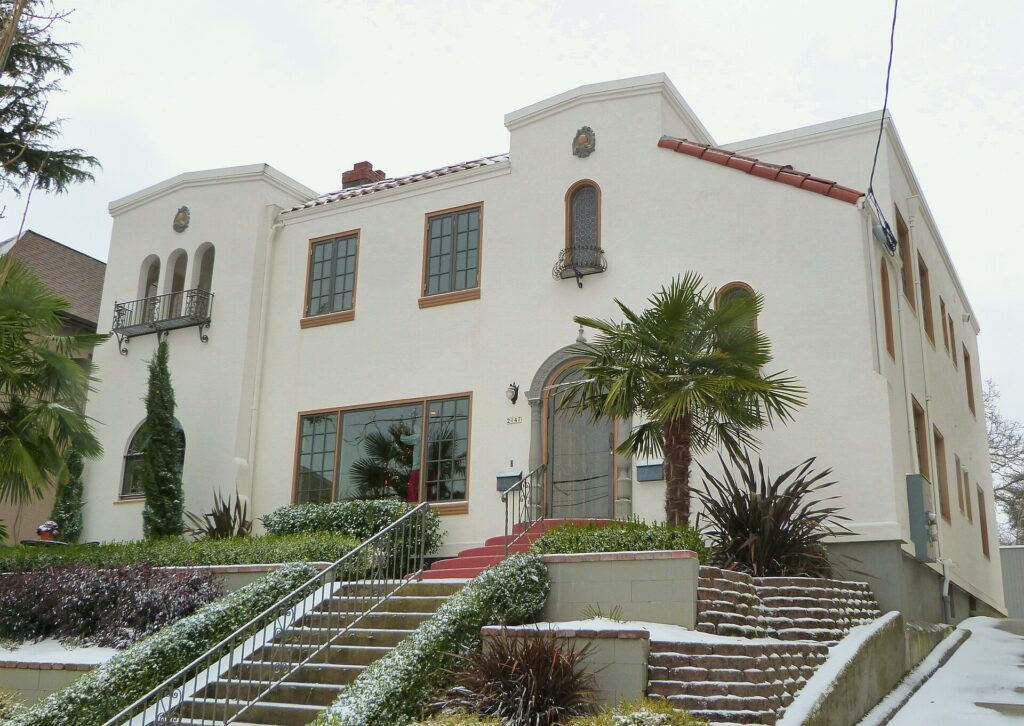
Cash on cash return is the yearly cash a rental property puts in your pocket, divided by the cash you actually put in to buy it. If a duplex leaves you $4,000 a year after every bill and the mortgage, and you paid $100,000 out of pocket for the down payment, closing costs and repairs, your cash on cash return is 4%. It is the quickest way to answer the question most new US landlords really have: what is my money earning?
Some calculators shorten it to CoC or “cocr.” It is not the same as cap rate, and mixing the two up is one of the most common mistakes in rental analysis.
The cash on cash return formula
The formula is simple: annual pre-tax cash flow divided by total cash invested, times 100.
Annual pre-tax cash flow is rent you actually collect, minus vacancy, minus operating costs (property tax, insurance, repairs, management, HOA if any), minus your full mortgage payments for the year.
Total cash invested is everything that left your bank account to get the property running: down payment, closing costs, loan fees and any repairs needed before the first tenant moves in.
Cap rate leaves the mortgage out completely. It divides net operating income by the purchase price, so it tells you about the property. Cash on cash return tells you about your deal, including how you financed it.
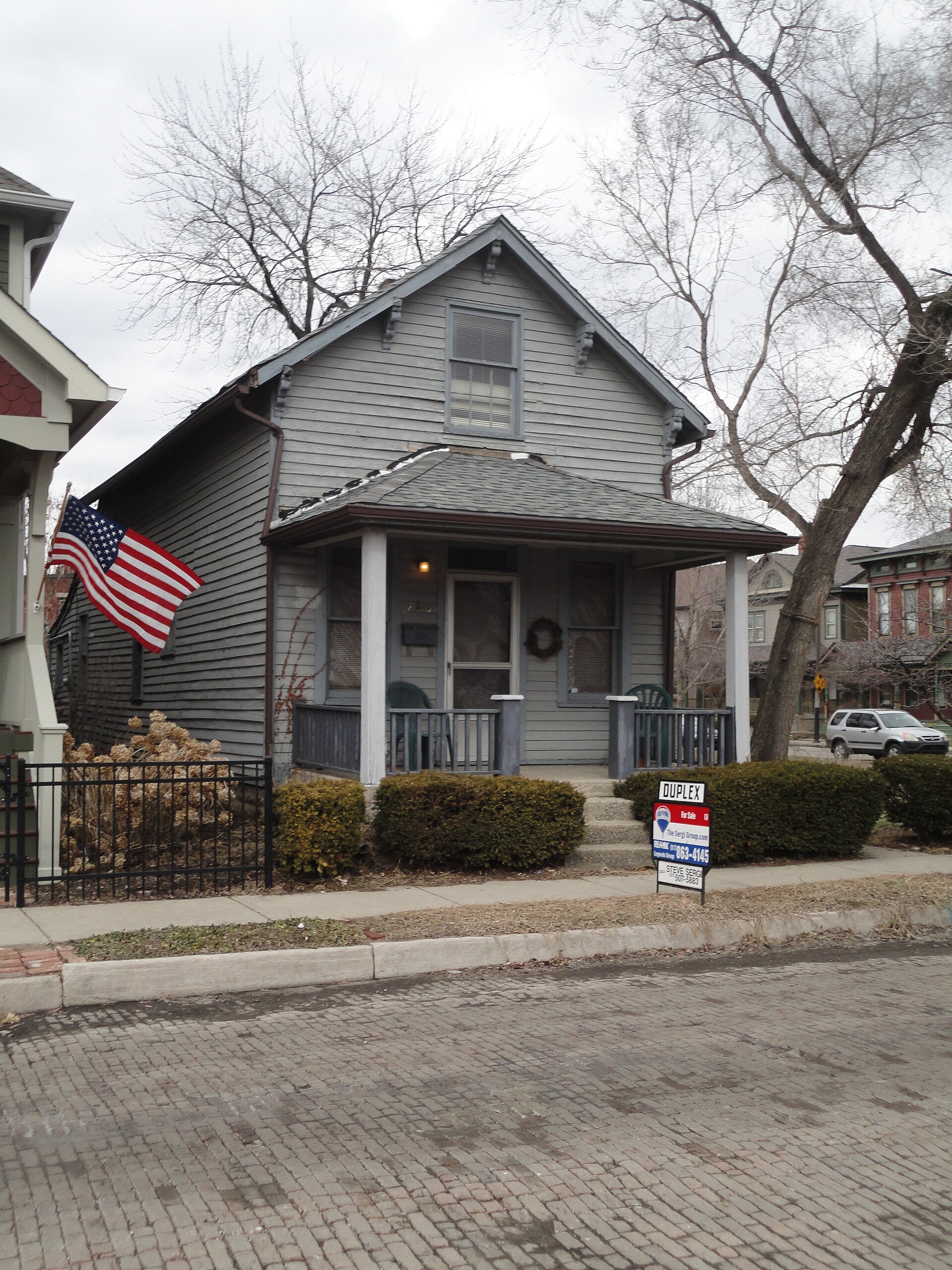
A worked example on a US duplex
Say you buy a two-unit property for $350,000. Fannie Mae’s eligibility matrix (April 2026) caps a conventional loan on a 2-4 unit investment purchase at 75% loan-to-value, so you need at least 25% down. For a single-unit investment home the cap is 85%, or 15% down.
| Item | Amount |
|---|---|
| Down payment (25%) | $87,500 |
| Closing costs and make-ready repairs | $12,500 |
| Total cash invested | $100,000 |
| Rent, two units at $1,650/month | $39,600 |
| Less 5% vacancy | -$1,980 |
| Less operating costs (tax, insurance, repairs, management) | -$13,200 |
| Net operating income | $24,420 |
| Mortgage: $262,500 at 6.75%, 30 years | -$20,431 |
| Annual cash flow | $3,989 |
Cash on cash return: $3,989 divided by $100,000 is about 4.0%. The cap rate on the same property is $24,420 divided by $350,000, or about 7.0%. The difference is the cost of the loan. At today’s mortgage rates, borrowing eats most of the property’s income, which is why plenty of deals that look fine on cap rate barely break even on cash.
Small changes move the number a lot. If each unit rents for $100 more a month, cash flow rises to about $6,270 and the return to about 6.3%. If the insurance renewal comes in $1,500 higher, it drops to about 2.5%.
What cash on cash return leaves out
It is a first-year, pre-tax snapshot, and that is both its strength and its limit.
Principal paydown. In the example, about $2,800 of the first year’s mortgage payments reduces the loan balance. That builds equity, but it isn’t cash you can spend, so it doesn’t count.
Appreciation. Any rise in the property’s value is ignored until you sell or refinance.
Taxes. The IRS lets you depreciate a residential rental building, not the land under it, over 27.5 years (IRS Publication 527). On many rentals that deduction offsets much of the rental income on paper. Cash on cash return is calculated before any of that, so your after-tax return may be better or worse depending on your situation.
Big repairs. A roof or furnace in year three can wipe out several years of cash flow. Budgeting a real number for repairs and capital items, instead of zero, is what keeps the calculation honest.
What counts as a good cash on cash return?
There is no official benchmark. Investors often compare it with what the same money would earn elsewhere with less work, such as a high-yield savings account or Treasury bills. A rental returning less than a safe alternative needs strong expected appreciation or tax benefits to make sense. Rather than chasing a target, run the numbers with realistic vacancy and repair figures and see if you are still comfortable.
You can run your own deal through our Rental Cash Flow and Cap Rate Calculator, and check the financing side with the Mortgage Calculator. For cap rate, 1031 exchanges and the other basics, see our guide to landlord basics for US rental investors.
Quick questions
Is cash on cash return the same as ROI?
Not quite. ROI usually includes appreciation and equity build-up. Cash on cash return only counts the cash the property pays you in a year.
Does cash on cash return include the mortgage?
Yes. The full annual mortgage payment, principal and interest, is subtracted before you divide. That is the main difference from cap rate.
Can cash on cash return be negative?
Yes. If rent doesn’t cover expenses and the mortgage, the cash flow is negative and so is the return, even if the property is gaining value.
Related tools: Rental Cash Flow & Cap Rate Calculator · Mortgage Calculator · Rent vs Buy Calculator · All tools and checklists
Sources: Fannie Mae, Eligibility Matrix (April 1, 2026); IRS Publication 527, Residential Rental Property. Example figures calculated by North Street Property and are illustrative only. Checked November 2, 2026.
This article is general information, not investment, tax or financial advice. Talk to a licensed professional before buying a rental property.