
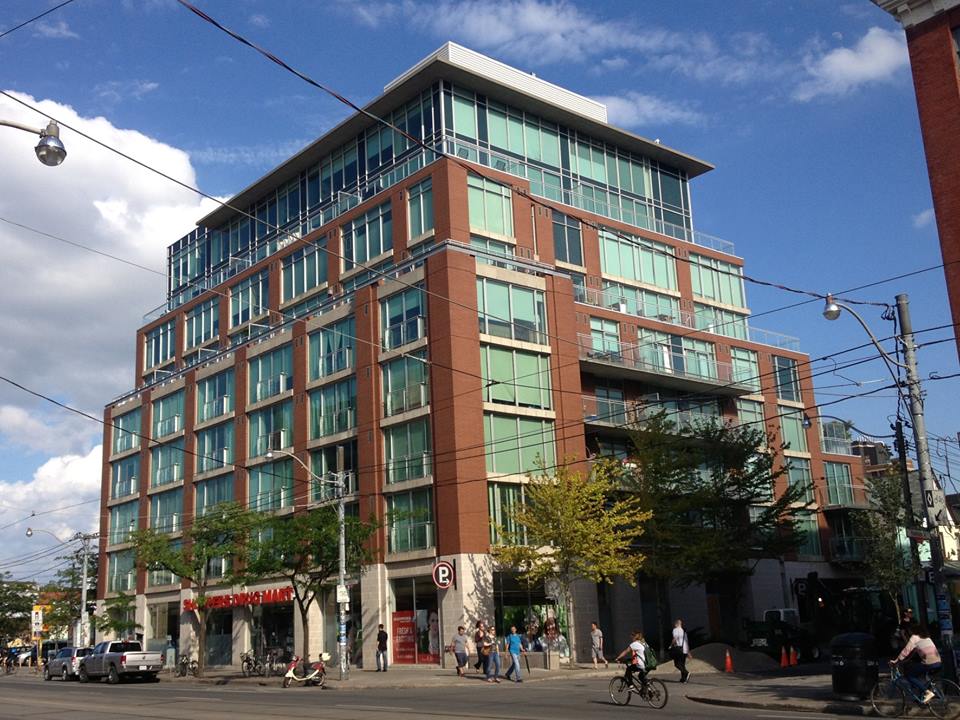
Buying a condo in Canada means buying into a corporation, not just a unit. Before closing, every resale condo purchase in Ontario, British Columbia and Alberta comes with a legal right to a disclosure document that tells you the real financial and legal health of that corporation – its reserve fund, any lawsuits, unpaid fees, and upcoming special assessments. Real estate agents rarely walk buyers through it line by line, and the review window is short. Here is what each province’s certificate actually covers, what it costs, and the questions buyers consistently miss.
The Document Has a Different Name in Each Province
Ontario calls it a status certificate, issued by the condo corporation under the Condominium Act, 1998. British Columbia calls it a Form B Information Certificate, issued under the Strata Property Act. Alberta calls it an estoppel certificate, issued under the Condominium Property Act. Quebec has its own version, the attestation (ASEC), issued by the syndicate of co-owners. The names differ, but the purpose is the same everywhere: a legally binding snapshot of the corporation’s finances and legal standing that protects a buyer who relies on it.
What the Certificate Discloses
Across all three provinces, the certificate and its attachments should show:
- Reserve fund balance and study. Ontario requires a reserve fund study every three years; BC requires a depreciation report (see below); Alberta reviews reserve adequacy every five years. The study estimates future repair and replacement costs and whether current contributions can cover them.
- Current budget and monthly fees, including whether the seller’s unit is in arrears – unpaid fees can attach to the unit, not just the previous owner.
- Rules, bylaws and the declaration, which define what exactly you’re buying: a parking spot or locker listed as “exclusive use” may not legally transfer with the unit unless the declaration says so.
- Pending or ongoing litigation against the corporation. If the corporation loses and the judgment exceeds the reserve fund, every owner – including a brand-new one – can be hit with a special assessment to cover it.
- Insurance summary (BC’s Form B specifically) and any planned or recent special levies.
Fees and Deadlines: What Most Listings Don’t Mention
The corporation is not required to hand this over instantly, and it isn’t free. Rules checked October 15, 2026:
- Ontario: status certificate fee is commonly around $100 plus tax; the corporation generally has 10 days to provide it. If the deadline is missed, the certificate is deemed to show no arrears, no fee increase and no special assessment – a rule most buyers never hear about.
- British Columbia: a Form B typically costs around $35 plus 25 cents per page, with delivery usually taking about a week; a related Form F (needed before title can transfer) costs roughly $15. A Form B’s age matters – an annual general meeting or a lawsuit can change the picture, so a certificate obtained weeks before closing may already be stale.
- Alberta: the Condominium Property Act sets a maximum fee of $200 for a standard request, with up to $100 more for a rush delivery within 3 days; the corporation has 10 days to respond to a standard request.
In every province, a lawyer typically needs only two to three days to review the document properly – but that review has to happen inside a conditional offer period, which means the request should go out the same day an offer is accepted, not after.

BC’s New Depreciation Report Deadline Changes the Calculus
British Columbia buyers face a regulatory change that is directly relevant right now. Depreciation reports – a 30-year assessment of a building’s major shared components and how the strata plans to pay for them – are becoming mandatory for every strata corporation with five or more lots, and the option for owners to waive the requirement by a 75% vote has been removed. The deadlines: July 1, 2026 for Metro Vancouver, the Fraser Valley and the Capital Regional District (excluding the Gulf Islands and remote islands reachable only by boat or plane), and July 1, 2027 for the rest of the province. A strata with no report, or one completed before December 31, 2020, does not satisfy the requirement. Reports commonly cost $5,000 to $30,000 per building, an expense that can translate directly into a special levy if the strata hasn’t already budgeted for it. A buyer in BC should confirm not just whether a depreciation report exists, but its date and whether the strata is already compliant with its region’s deadline.
Worth Knowing Before You Sign
- A clean certificate today is not a guarantee for tomorrow. A reserve fund study is a projection, not a promise, and some boards keep fees artificially low heading into a strong selling season rather than raise them ahead of a needed repair.
- Litigation against the corporation becomes your problem too. If you close while a lawsuit is pending and the corporation later loses, you can be assessed for your share of the judgment as the new owner, even though the dispute predates your purchase.
- Exclusive-use parking and lockers aren’t automatic. Confirm in the declaration and status certificate – not just the MLS listing – that the specific parking spot or locker you were shown is legally tied to the unit.
- The review clock starts the moment you ask, not the moment the offer firms up. With a 10-day Ontario/Alberta deadline and roughly a week in BC, request the certificate the same day your offer is accepted so your lawyer has real time to review it inside your conditional period.
- In BC, an old or missing depreciation report is now a compliance problem, not just a planning gap – ask specifically for its date, not just whether one exists.
Practical Steps
- Make any condo offer conditional on receiving and reviewing the certificate, with enough days for your lawyer to read it properly.
- Ask directly about pending litigation, the reserve fund balance versus the study’s recommended level, and any special levy discussed in the last two annual general meetings.
- In BC, ask for the depreciation report’s exact date and whether the strata has a funding plan to meet its regional deadline.
- Have a real estate lawyer – not just your agent – review the certificate before you waive any conditions.
Sources
Rules checked October 15, 2026. Mann Lawyers – Buying a Resale Condo: The Status Certificate · BC Financial Services Authority – Form B Information Certificate · Zealty – BC Strata Depreciation Report Deadlines · FirstService Residential Alberta – What Is an Estoppel Certificate? · Wahi – Status Certificate Glossary · SI Law – Canada Condo Disclosure Certificate Guide (Ontario, Quebec, BC, Alberta).
This is general information for Canadian home buyers, not legal advice. Status certificate, Form B and estoppel certificate fees and timelines can change; always confirm current figures with the condo corporation or strata and have a licensed real estate lawyer review the document before you waive any conditions.
Related tools
- Home Inspection Checklist: room-by-room checks with a printable report
- Documents to Buy a Home Checklist: what lenders and lawyers will ask for
- Closing Costs & Land Transfer Tax Calculator: land transfer tax, stamp duty and closing costs by province, state or nation
Browse all our free tools and checklists, or find quick answers in our FAQ.