
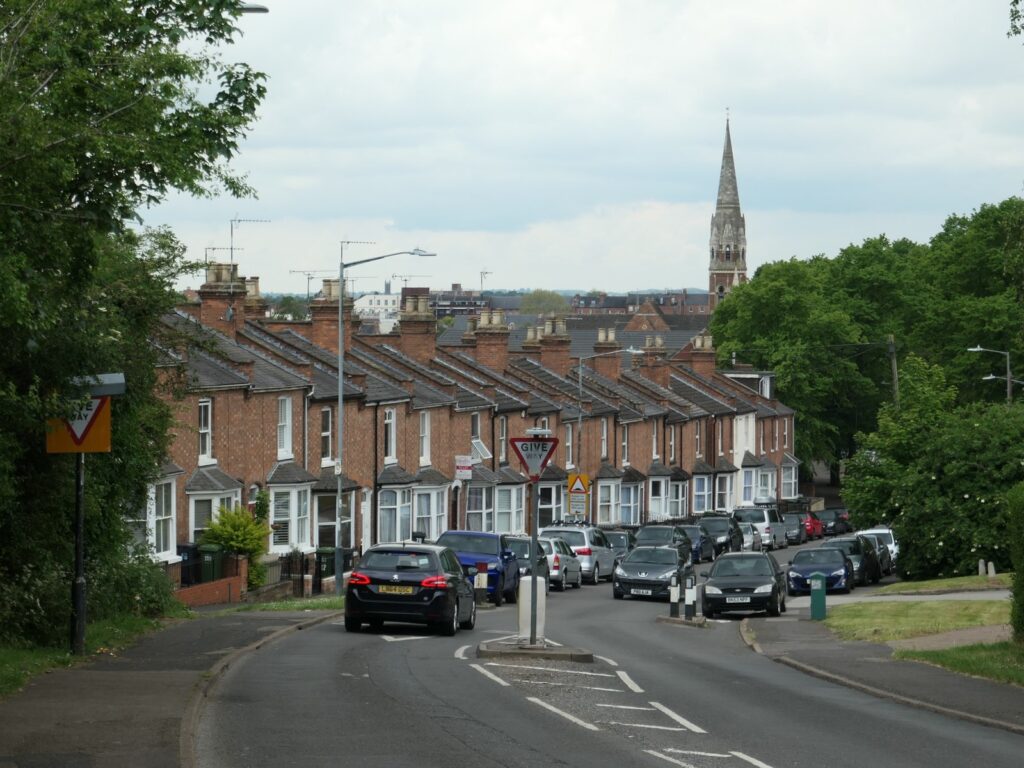
The average rent in the UK is now £1,411 a month, according to Office for National Statistics figures for October 2026. That is £51 more than a year earlier, a rise of 3.8%, and the same annual rate as September. House prices are moving far more slowly: the average UK home cost £273,000 in September 2026, up 1.2% on the year. Here is what the latest average rent UK figures mean if you rent, let or are trying to buy.
Average rent UK: the November 2026 figures by nation
The ONS bulletin published on 18 November 2026 shows big differences across the four nations:
- England: £1,472 a month, up 4.0% (£56)
- Wales: £849, up 3.9% (£32), slowing from 4.1% in September
- Scotland: £1,015, up 0.7% (£7), the joint lowest annual rate since the series began in January 2016
- Northern Ireland: £876 in August 2026 (its data runs two months behind), up 1.2%
London is still the most expensive place to rent by a wide margin at £2,350 a month, while the North East is the cheapest English region at £793. The fastest rent growth was in the North West (5.6%) and the slowest in the South West (3.3%).
One thing to keep in mind: these ONS numbers cover all private tenancies, not just new lets. Asking rents on property portals can look quite different, because most tenants are on existing agreements that change less often.
House prices: flat in England, falling in London
The house price side tells a different story. England’s average was £293,000 (up 0.8%), Wales £215,000 (up 1.8%) and Scotland £198,000 (up 2.3%). Northern Ireland stands out at £207,000 in the third quarter, up 7.4% on a year earlier. London prices fell 3.5% in the year to September, and Inner London dropped 7.2%, its biggest annual fall since August 2009. The North East had the strongest growth at 4.6%. If you want the wider picture, we looked at whether UK house prices are falling last month.
If you rent: budget for roughly £50 more a month
A 3.8% rise on the UK average works out at about £51 a month, or a little over £600 a year. Consumer price inflation was 3.6% in the 12 months to October 2026, so rents are rising roughly in line with general prices rather than racing ahead of them. That is calmer than the much faster increases many tenants saw in 2023 and 2024, but it still bites when wages are stretched.
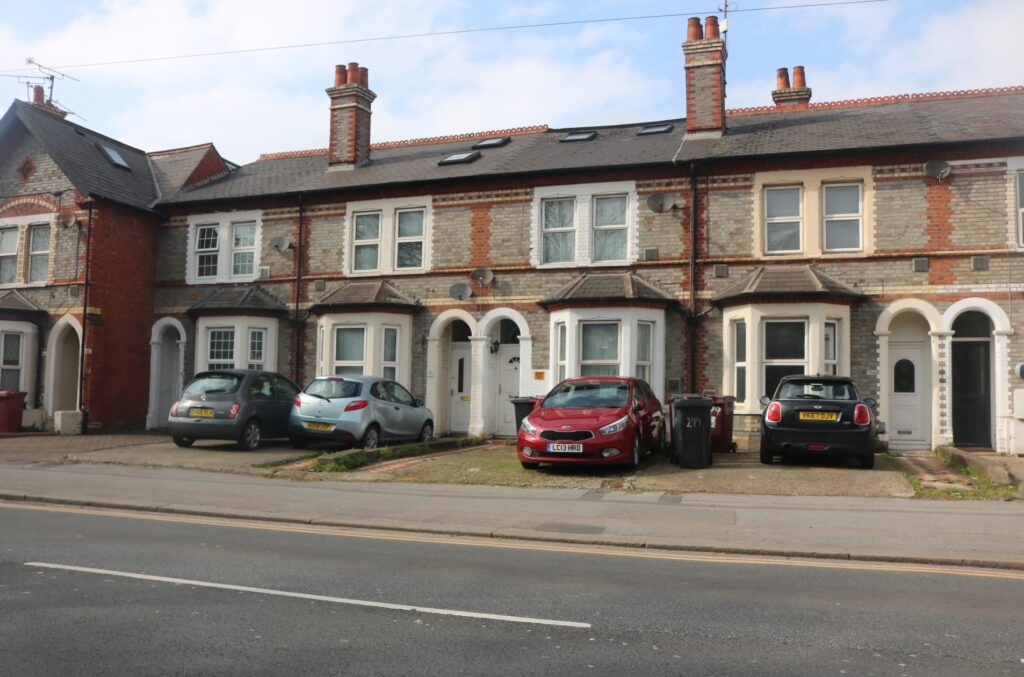
In England, the rules on increases changed on 1 May 2026 under the Renters’ Rights Act. These parts are already in force, according to gov.uk guidance:
- Your landlord can raise the rent only once a year, and not in the first year of the tenancy.
- They must use the section 13 process (Form 4A) and give at least two months’ notice, even if you have already agreed.
- If you think the new rent is above the open market rate, you can ask the First-tier Tribunal to decide it.
- Rent review clauses no longer work for increases taking effect after 1 May 2026.
- Landlords must advertise a set rent and cannot accept or encourage offers above it, so rent bidding wars are out.
- After signing, you can be asked for no more than one month’s rent in advance.
These rules apply to England only. Wales, Scotland and Northern Ireland have their own systems. We cover the full set of changes in our guide to what the Renters’ Rights Act changed for tenants.
The ONS figures are useful when you negotiate. If your landlord proposes 8% in a region where rents rose 3% to 4%, you have a fair basis to ask why, and to check comparable listings before deciding whether to challenge it.
If you are a landlord: higher costs ahead
Rough maths on the UK averages gives a gross yield of about 6.2% (£1,411 x 12 = £16,932, divided by £273,000). Your own figure will depend on what you paid and where. Two pressures sit on top of that. The Bank of England raised Bank Rate to 4% on 5 November 2026, which feeds into buy-to-let mortgage costs, and its next decision is on 17 December. Then from 6 April 2027, property income gets its own tax rates. The rates already in law are 22%, 42% and 47%, two points above today’s, and the Budget on 28 October 2026 proposed going further, to 24%, 44% and 49%, which still needs the next Finance Bill to pass. Our piece on the landlord tax rise in 2027 walks through what that means in practice.
With rent increases now capped at once a year in England, it pays to run your numbers before you send a Form 4A. Our rental cash flow calculator shows how a new mortgage rate and the tax change affect what you actually keep.
If you want to buy: renting vs a mortgage on an average home
Take the UK average home at £273,000 with a 10% deposit of £27,300. That leaves a loan of £245,700. At an illustrative rate of 4.5% over 25 years on a repayment mortgage, the standard formula gives a monthly payment of £1,365.68. That is about £45 a month less than the average rent of £1,411.
It is not quite that simple, though. In the first month, around £921 of that payment is interest and only £444 pays down the loan. You also need to find the deposit, stamp duty where it applies, legal fees, a survey and money for repairs. Over the full 25 years you would pay roughly £164,000 in interest at that rate. Plug in your own numbers with our rent vs buy calculator, and check what lenders might offer with the affordability calculator.
Worth knowing before you sign: a mortgage payment below your rent does not mean buying is cheaper. Fixed rates end, maintenance falls on you, and the rate in our example is illustrative only. Get a real quote from a broker or lender before you compare.
FAQ
What is the average rent in the UK right now?
£1,411 a month in October 2026, up 3.8% on a year earlier, according to the ONS. In England it was £1,472 and in London £2,350.
How often can my landlord put the rent up?
In England, once a year since 1 May 2026, using a section 13 notice with at least two months’ warning. Not in the first year of a tenancy.
Can I challenge a rent increase?
Yes. If you think the proposed rent is above the open market rate, you can apply to the First-tier Tribunal to decide it. Gather local listings for similar homes first.
Related tools: Rent vs Buy Calculator · Rental Cash Flow Calculator · Mortgage Calculator · Affordability Calculator · All tools & checklists
Sources: ONS, Private rent and house prices, UK: November 2026 (18 November 2026); ONS, Consumer price inflation, UK: October 2026 (18 November 2026); Bank of England, Bank Rate (decision 5 November 2026); gov.uk, Rent increases guidance for landlords; gov.uk, Renters’ Rights Act overview for tenants; HM Treasury and HMRC, property income tax rates technical note. Checked November 19, 2026.
This article is general information, not financial, legal or tax advice. Rules differ across England, Wales, Scotland and Northern Ireland, and figures can be revised. Speak to a qualified adviser before making decisions about renting, letting or buying.