
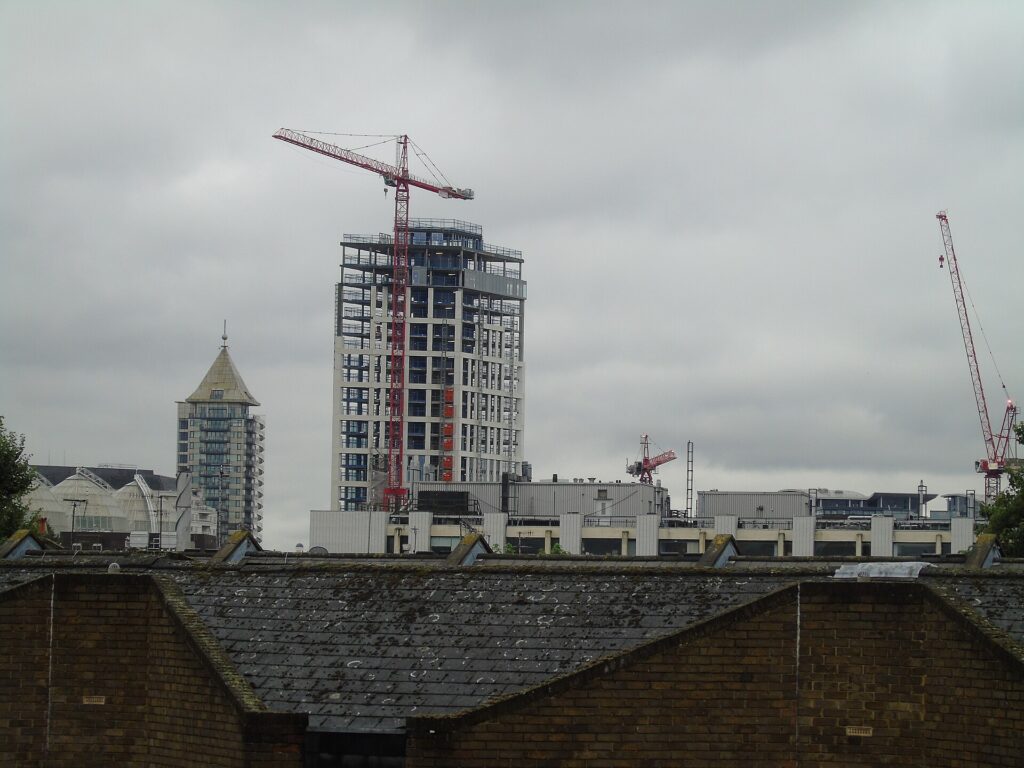
If you’re buying a flat in a mid- or high-rise building in England, cladding and fire-safety remediation costs are one of the most expensive surprises a leaseholder can face after the Grenfell Tower fire exposed how widespread unsafe cladding and missing fire protection actually were. The Building Safety Act 2022 was supposed to fix who pays. Here is what it actually guarantees, and where the limits are.
Why this rule exists
Following the 2017 Grenfell Tower fire, government-ordered checks found unsafe cladding and other fire-safety defects across thousands of mid- and high-rise residential buildings in England, built or refurbished over several decades. Before the Building Safety Act 2022, leaseholders in many of these buildings were being billed directly by freeholders or management companies for remediation works that sometimes ran into tens of thousands of pounds per flat, through no fault of their own — they hadn’t built the building or chosen the cladding. The Act was designed to shift that financial burden toward developers, building owners, and the construction industry instead, with leaseholders protected either fully or by a fixed cap, depending on the type of defect.
Cladding costs: generally protected, but check you qualify
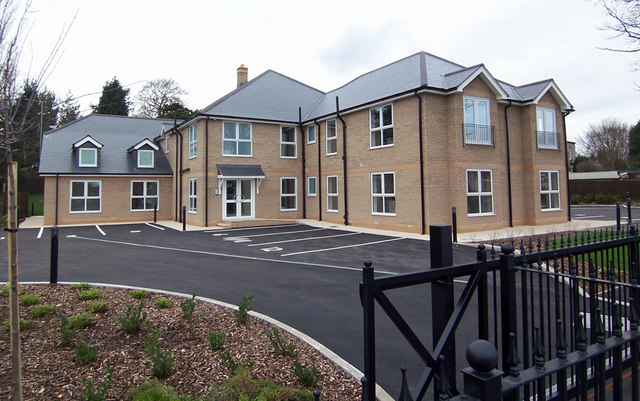
For a “relevant building” (generally 11 metres or more, or five or more storeys) with a qualifying lease, the Building Safety Act 2022 is designed so that cladding remediation costs are not passed on to qualifying leaseholders at all where the landlord is, or is linked to, the original developer, or where the landlord’s group has substantial net wealth. Qualifying leaseholders must have lived in the flat as their only or principal home (or had no more than two other UK properties) on 14 February 2022. This is a real protection, but it is conditional — not every leaseholder in every building automatically qualifies, and the rules around who counts as a “relevant landlord” can be genuinely complex. Checking your building’s specific remediation order and your own qualifying status, rather than assuming blanket protection, is the first thing to do.
Non-cladding costs: capped, not eliminated
Other fire-safety defects — missing fire breaks, unsafe balconies, and interim measures like a waking watch — are handled differently: qualifying leaseholders can still be billed, but only up to a fixed cap, spread over a 10-year period, with no more than one-tenth of the total cap charged in any single year. As of the current GOV.UK guidance (last updated 24 July 2024, confirmed current on this check):
| Property value | Greater London cap | Rest of England cap |
|---|---|---|
| Under £175,000 | £0 | £0 |
| £175,000–£324,999 | £0 | £10,000 |
| £325,000–£1 million | £15,000 | £10,000 |
| £1 million–£2 million | £50,000 | £50,000 |
| Over £2 million | £100,000 | £100,000 |
These figures are the total lifetime cap per qualifying leaseholder for that building, not an annual figure — a leaseholder cannot be charged more than this amount in total for non-cladding remediation and interim measures, however long the works take. Source: GOV.UK, “Leaseholder contribution caps.”
England only — Scotland and Wales run different schemes
The caps and protections above apply in England. Scotland and Wales have their own, separately legislated building safety and remediation arrangements, which differ in scope and detail — a leaseholder in Cardiff or Glasgow should not assume the English figures above apply to their building.
What to check before you buy a leasehold flat
- Ask whether the building has an EWS1 (External Wall System) certificate, and what it says — this is often required for mortgage lenders too.
- Ask whether the building is subject to a remediation order, a remediation contribution order, or any ongoing fire-safety works, and at what stage they are.
- Ask for the service charge history for the last 3–5 years, specifically flagging any fire-safety or remediation-related charges, even small ones like a waking watch fee.
- Confirm whether you would qualify as a “qualifying leaseholder” under the Act — this depends on your intended use of the flat and how many other UK properties you’d hold.
- If a cap would apply, ask what has already been charged toward it — the 10-year cap carries forward and does not reset with a change of ownership.
Worth knowing before you sign
- Cladding and non-cladding defects are treated completely differently under the Act — cladding is usually fully protected for qualifying leaseholders, non-cladding costs are only capped, not eliminated.
- The non-cladding cap is a 10-year lifetime total for that building, not a one-off or annual charge — and it transfers with the property, so ask what a previous owner may have already paid toward it.
- “Qualifying leaseholder” status is not automatic — it depends on your main residence and how many other UK properties you hold, so two owners in the same building can have different protections.
- These protections and caps are England-specific; Scotland and Wales have separate building-safety legislation with different terms.
See also our Down Payment & Mortgage Insurance Calculator and First-Time Buyer Savings Planner for other UK home-buying costs to plan around.
This is general information, not legal advice. Building safety remediation status and leaseholder qualification depend on the specific building and your own circumstances — confirm directly with the managing agent, freeholder, or a solicitor before relying on this. Rules checked October 15, 2026, against GOV.UK’s Building Safety Act 2022 guidance, “Leaseholder contribution caps,” and “Definition of non-cladding remediation.”
Related tools
- Home Inspection Checklist: room-by-room checks with a printable report
- Closing Costs & Land Transfer Tax Calculator: land transfer tax, stamp duty and closing costs by province, state or nation
- Mortgage Calculator: monthly payment with taxes, insurance and extra payments
Browse all our free tools and checklists, or find quick answers in our FAQ.