
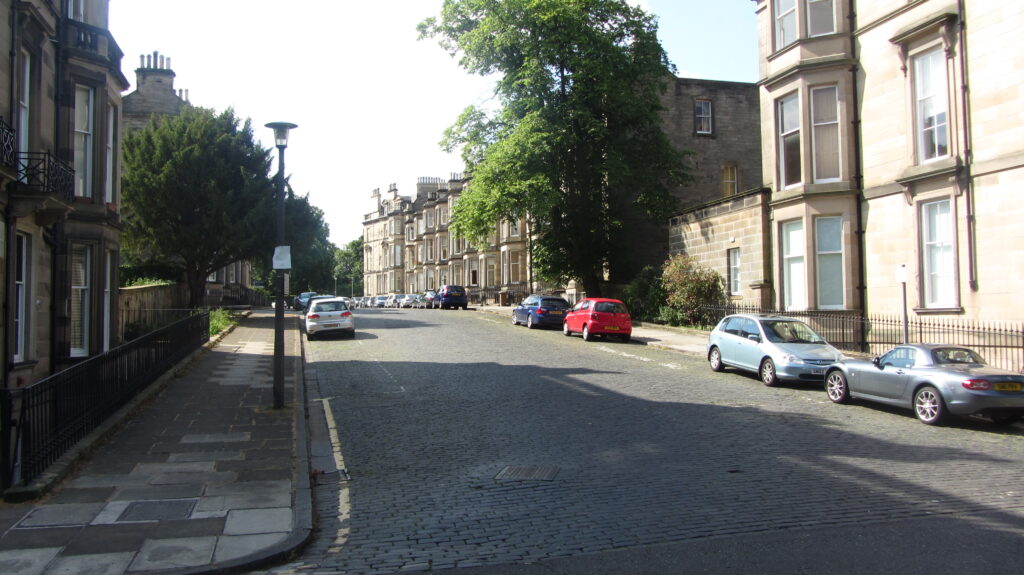
Move a house purchase a few hundred miles north of London and almost every rule changes: the tax, the survey, how an offer is made, and whether you can lose the house to a higher bidder after your offer is accepted. Scotland runs its own property system, separate from England and Wales, and buyers who assume it works the same way usually find out the hard way.
LBTT: Scotland’s own property tax, with its own bands
Scotland does not use England’s Stamp Duty Land Tax. It has its own Land and Buildings Transaction Tax (LBTT), with its own thresholds, set out by Revenue Scotland and the Scottish Government’s 2026-27 tax ready reckoner:
| Portion of price | LBTT rate |
|---|---|
| £0 – £145,000 | 0% |
| £145,001 – £250,000 | 2% |
| £250,001 – £325,000 | 5% |
| £325,001 – £750,000 | 10% |
| Above £750,000 | 12% |
First-time buyers get relief that raises the nil-rate ceiling to £175,000. Buyers purchasing an additional property, such as a buy-to-let or second home, also pay the Additional Dwelling Supplement (ADS) on top of LBTT. Revenue Scotland confirms the ADS rate is 8%, up from 6%, for contracts entered into on or after 5 December 2024. If you are comparing costs to a purchase in England, do not reuse an SDLT calculator; Scotland’s bands and rates are genuinely different, not just relabelled.
The Home Report: a survey you get before you even offer
In England, a buyer typically commissions their own survey after an offer is accepted, sometimes uncovering problems late in the process. Scotland works the other way around. Sellers are legally required to commission a Home Report before listing, and a selling agent must give a prospective buyer a copy within nine days of a request. The Home Report has three parts: a single survey (a chartered surveyor’s inspection of the property’s condition and an opinion of value), a property questionnaire (the seller’s own disclosures on council tax band, alterations, parking, and known issues), and an energy report that also serves as the Energy Performance Certificate.
The seller pays for the Home Report, not the buyer. Cost scales with the property’s value band; across surveyed providers in 2026, most homes fall somewhere between £360 and £900 including VAT, with higher-value, larger, older, or rural properties costing more. Because the survey and valuation are already in hand before you offer, Scottish buyers can make a more informed first offer than English buyers typically can.
Why gazumping rarely happens in Scotland
Scottish properties are usually marketed “offers over” a guide price, with buyers submitting written offers through a solicitor, often by a set closing date, rather than negotiating directly with the estate agent as in England. According to ESPC, an accepted offer in Scotland becomes a binding legal commitment relatively quickly once the parties’ solicitors exchange a chain of letters called missives, which reduces the window in which a seller could accept a rival, higher offer. In England and Wales, by contrast, nothing is legally binding until contracts are formally exchanged, and that longer gap is exactly what allows gazumping — a seller accepting a higher offer after already agreeing to sell to someone else.
This does not mean a Scottish deal is risk-free before missives conclude, and it is a different, often faster-moving process than buyers relocating from England expect; ask your solicitor exactly when your offer becomes binding rather than assuming it is the moment it is accepted verbally.
Worth knowing before you sign
- Budget using Scotland’s own LBTT bands and the 8% Additional Dwelling Supplement if buying a second property; an England-based SDLT calculator will give you the wrong number.
- Ask for the Home Report before you offer, not after. It already contains a surveyor’s opinion of value, which can shape how much over the guide price you choose to offer.
- “Offers over” is a starting point, not a guide price in the English sense; popular properties can sell well above it, especially around a set closing date.
- Ask your solicitor exactly when missives conclude and your offer becomes binding. The process is faster than England’s, but it is not instant the moment your offer is accepted verbally.
Rates and sources
| Figure | Value | Source |
|---|---|---|
| LBTT nil-rate threshold | £145,000 (£175,000 for first-time buyers) | Scottish Government |
| Additional Dwelling Supplement | 8% (since 5 Dec 2024, up from 6%) | Revenue Scotland |
| Home Report requirement | Seller-funded, provided before/at listing | HouseCheckup 2026 survey |
| Typical Home Report cost | £360–£900 inc. VAT (most homes) | HouseCheckup 2026 survey |
| Offers-over & missives system | Binding earlier than England’s exchange of contracts | ESPC |
Rules and figures checked on October 15, 2026 against the primary sources linked above.
Buying in England or Wales instead? See our guides to gazumping, agreements in principle and surveys in England and Wales and UK Stamp Duty Land Tax for overseas and non-resident buyers.
This article is general information, not advice. Tax bands, ADS rates, and conveyancing practice can change; confirm current figures with Revenue Scotland, a Scottish solicitor, or a licensed professional before making a decision. See our disclaimer for details.
Related tools
- Closing Costs & Land Transfer Tax Calculator: land transfer tax, stamp duty and closing costs by province, state or nation
- Home Inspection Checklist: room-by-room checks with a printable report
- First-Time Buyer Step-by-Step: every step from pre-approval to keys
Browse all our free tools and checklists, or find quick answers in our FAQ.