
Home Inspection Checklist: What to Check Room by Room (and What’s Easy to Overlook)
A home inspector works for you, but a 2-3 hour walkthrough can still miss things a buyer should be watching for too. Use this checklist room by room during your own viewings and the professional inspection, then switch tabs below for the things easy to overlook, disclosure rules and hidden costs that are common in Canada, the United States or the UK – the things many realtors never bring up because disclosure law, insurance and lending rules differ by country. Check items off as you go; your progress is saved in this browser so you can come back to it, and you can print a blank copy to take with you.
Which best describes this home? Pick one to add the checks that matter for its age or construction status – the room checklist below updates to match.
Fill these in before you print – they appear on your printed report header. Nothing here is sent anywhere or saved outside this browser.
Room-by-Room Checklist
These apply whatever country you’re buying in – go through them at the showing and again during the professional inspection.
Exterior & Grounds
Roof & Attic
Foundation & Basement
Electrical
Plumbing
Heating, Cooling & Ventilation
Kitchen
Bathrooms
Safety & Paperwork
New Construction / Pre-Delivery Inspection
Buying a home that is brand new or not yet built comes with its own checklist – warranty paperwork and a proper walkthrough matter more here than a home inspector in the traditional sense.
Want the full new-build checklist on its own page to print or bookmark? See our New Build Home Checklist for the complete Canada, USA and UK pre-delivery/snagging checklist.
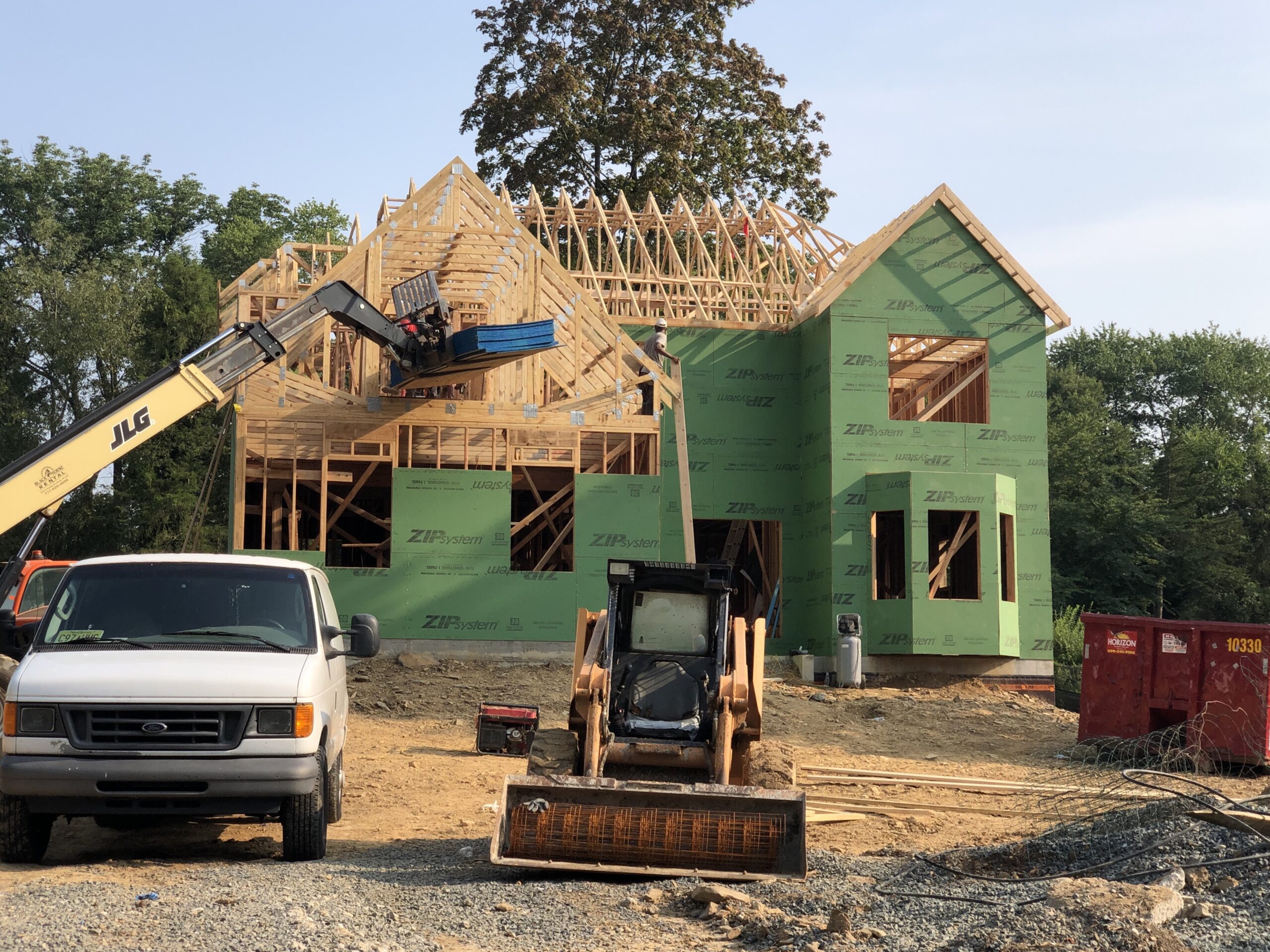
Canada: Pre-Delivery Inspection (PDI)
New-home warranty programs vary by province (Tarion in Ontario; similar programs in BC, Alberta and Quebec) – confirm which one applies. Source: tarion.com, checked Oct 15, 2026.
USA: Builder Walkthrough
Sources: Rocket Mortgage, 2-10 Home Buyers Warranty, checked Oct 15, 2026.
UK: Snagging
Sources: NHBC, Premier Guarantee, gov.uk Building Control guidance, checked Oct 15, 2026.
Easy to Overlook
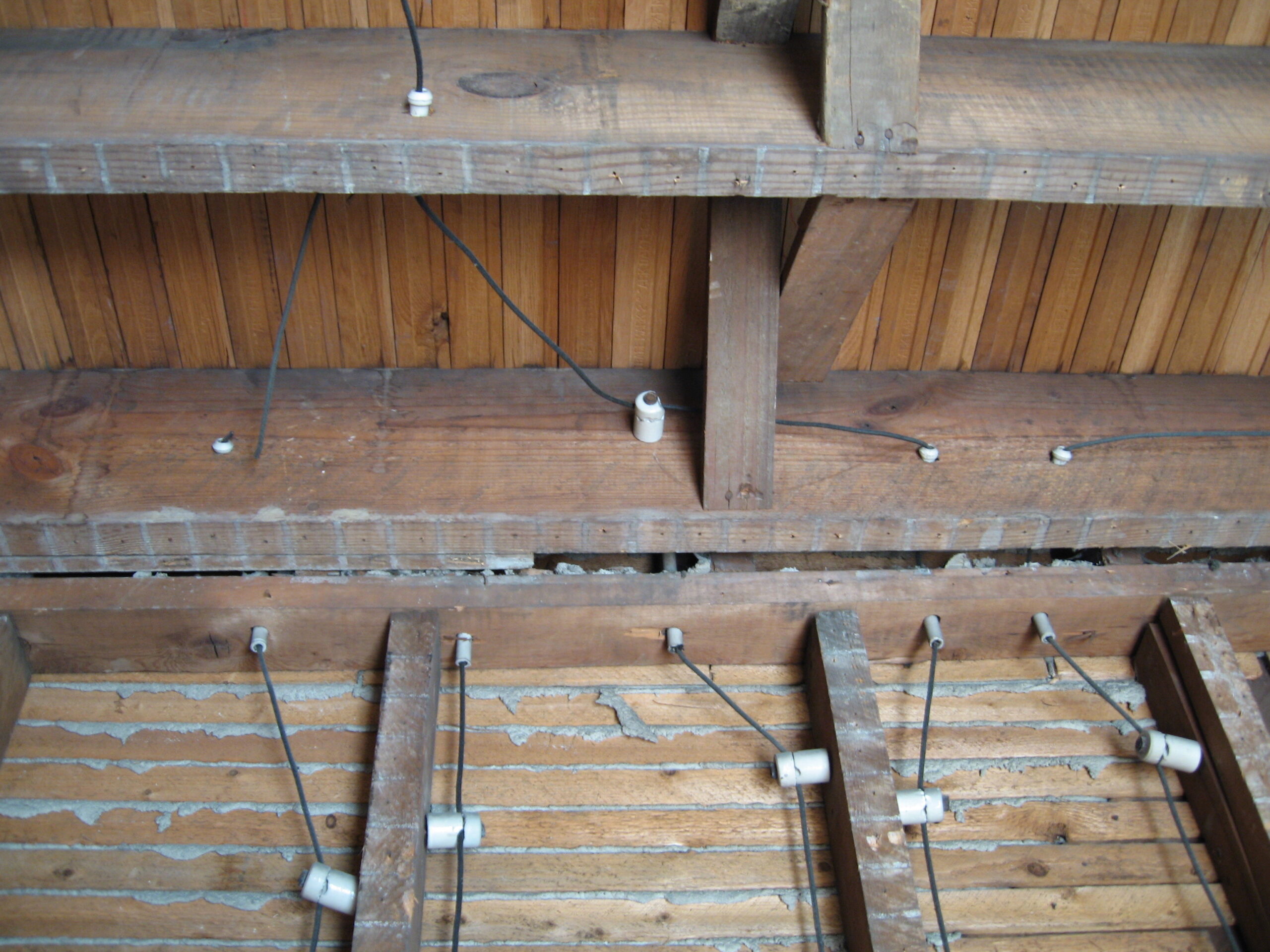
Knob-and-tube wiring
Still legal to live with, but many Canadian insurers won’t renew or write a new policy until it’s inspected and, often, certified by a licensed electrical contractor (ECRA/ESA Certificate of Acceptance). Ask for this in writing before you remove a financing condition.
Source: mychoice.ca insurance guide, checked Oct 15, 2026
Aluminum wiring (common in 1965-1975 homes)
Insurers frequently require a “pigtail” repair (copper connectors at every outlet and switch) and an electrician’s certification before they’ll cover the home.
Source: Canadian Underwriter / mychoice.ca, checked Oct 15, 2026
Poly-B (polybutylene) pipes
Grey plastic pipe installed roughly 1978 to the mid-1990s. It can crack and leak from the inside while looking fine from the outside, and replacement typically runs $3,000-$25,000. Insurers may decline coverage, add a higher water-damage deductible, or decline to renew after a Poly-B claim.
Source: Square One, checked Oct 15, 2026
UFFI (urea formaldehyde foam insulation)
Banned in Canada in December 1980 after heavy use from 1975-1978 in an estimated 100,000+ homes. It’s no longer treated as a proven health hazard, but it still carries resale stigma in some markets – ask whether the home has ever had a UFFI disclosure clause attached to it.
Source: Carson Dunlop, checked Oct 15, 2026
Former grow-operations
Can leave hidden mould, illegal electrical splicing bypassing the meter, and chemical residue. Sellers are required to disclose past grow-op use, and some insurers and lenders refuse these properties outright regardless of renovation – confirm financing and insurance are actually available before waiving conditions.
Source: rates.ca, checked Oct 15, 2026
Sewer backup risk
Ask whether the home has a backwater valve. Many municipalities now require or strongly recommend one, and basement sewer backup is one of the most common – and expensive – insurance claims in Canada.
Lead-based paint (homes built before 1978)
Federal law requires sellers and landlords of most pre-1978 housing to disclose any known lead-based paint hazards, hand over the EPA’s “Protect Your Family From Lead in Your Home” pamphlet, and give buyers a 10-day window to test for lead before the contract becomes binding. Use that window – don’t waive it without thinking it through.
Source: EPA, Lead-Based Paint Disclosure Rule (Section 1018), checked Oct 15, 2026
Radon
EPA’s action level is 4 pCi/L. Radon risk varies house to house, not just by region, so the EPA recommends every home be tested regardless of age or location – it’s one of the cheapest tests you can order and one of the most skipped.
Source: EPA Radon Program, checked Oct 15, 2026
Termite / Wood-Destroying Organism (WDO) report
Required in more than 30 states (plus some counties and territories) where infestation risk is rated moderate-to-heavy, and for VA-backed loans in those areas. Since June 2022, VA buyers are allowed to pay for this report themselves – before that, in most cases only the seller could.
Source: NPMA, VA loan guidance, checked Oct 15, 2026
Polybutylene pipes
The same grey plastic pipe common in Canada was widely installed in the US from the late 1970s to the mid-1990s, with the same hidden-failure risk – confirm the pipe material before closing.
Asbestos
Common in homes built before the 1980s – old pipe insulation, floor tile, popcorn ceilings and some siding. Don’t disturb suspected material yourself; have it tested before any renovation.
Which RICS survey level you actually need
A Level 1 Condition Report is a basic traffic-light overview for a modern property in good condition. A Level 2 HomeBuyer Report is the standard choice for most buyers and specifically flags damp and subsidence. A Level 3 Building Survey is the thorough, hands-on option and is strongly worth it for homes over 50 years old, of unusual construction, or that you plan to renovate.
Source: Which?, checked Oct 15, 2026
Japanese knotweed
RICS moved in 2022 from a strict “7-metre rule” to a more contextual assessment of impact and risk. Most lenders now follow RICS guidance and typically want a professional management plan with an insurance-backed guarantee rather than demanding outright removal – but an infestation can still delay or complicate a mortgage offer.
Source: RICS guidance (via Environet UK), checked Oct 15, 2026
Damp and subsidence
The two issues a Level 2 or Level 3 survey is specifically built to catch. Ask the surveyor to explain the underlying cause of either, not just the symptom – the fix (and cost) can range from minor to structural.
EPC rating
Every home for sale needs a valid Energy Performance Certificate, graded A (most efficient) to G, valid for 10 years. The average UK home sits around a D. If you plan to let the property, rental-market minimum ratings in England and Wales are set to rise to a C by October 2030 – a D or E rated home could mean real upgrade costs if you plan to rent it out.
Source: gov.uk EPC guidance, checked Oct 15, 2026
Cladding and EWS1 (flats)
For a flat in a building with any cladding, ask whether an EWS1 external wall fire review form exists. Its absence can hold up or block a mortgage offer entirely, regardless of how the flat itself looks inside.
Worth knowing before you sign
Loading…
Questions to Ask Your Inspector
- What’s the realistic remaining life of the roof, the water heater, and the furnace or boiler?
- What exactly is and isn’t covered in this inspection – do I need a separate specialist (electrician, structural engineer, pest inspector, damp/timber surveyor) for anything you’ve flagged?
- If you found something concerning, what would you personally do next: get a quote, get a specialist opinion, or walk away?
- Can I get the report in writing with photos, not just a verbal summary, before my conditions expire?
- Were you able to access the roof, attic, crawlspace and electrical panel fully, or were any areas restricted?
Rates and rules last reviewed October 2026. See how we research and our sources.
This checklist is general information, not a substitute for a licensed home inspector, surveyor, electrician, lawyer/conveyancer or other professional, and not financial, legal or real estate advice. Rules, disclosure laws and lending requirements change and vary by province, state and local authority – always verify with a licensed professional and official sources before you buy. See our Disclaimer for more.