
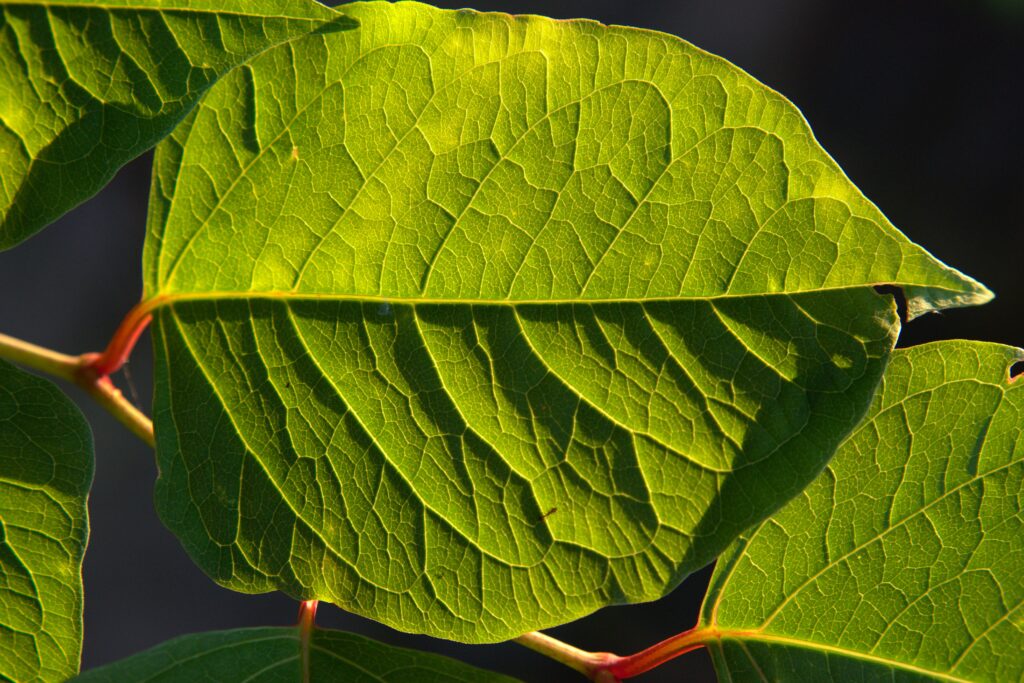
Japanese knotweed has a reputation for killing UK house sales outright. In 2026 that reputation is out of date. RICS replaced its old blanket “seven-metre rule” back in March 2022, and most mortgage lenders now make case-by-case decisions rather than refusing automatically. The catch is that almost nobody explains how the current system actually works, or what a buyer should ask for before exchanging contracts.
The old rule is gone
Until 2022, a RICS-regulated surveyor treated any knotweed within seven metres of a building as automatically high risk, regardless of whether it was actually causing damage. RICS scrapped that fixed distance in its 2022 revision and replaced it with a contextual, management-based assessment. A surveyor carrying out a RICS HomeBuyer or Building Survey now looks at how much of the plant is present, whether it is visibly damaging hard structures, whether it affects the use of the garden, whether it could be spreading from a neighbouring property, and whether a professional management plan is already in place.
How this plays out with your lender
The survey assigns a management category describing the severity and location of the infestation. Generally, knotweed found within the property boundary and judged capable of causing damage draws the closest lender scrutiny, while knotweed confined to a neighbouring property, well away from the boundary, is usually treated as a non-issue. There is no single industry-wide rulebook that every bank follows identically. Each lender’s underwriter makes the final call based on the surveyor’s category and the documentation provided, which means two buyers with almost identical knotweed findings, at two different lenders, can get two different outcomes on the same week.
| Item | Detail |
|---|---|
| Old rule | Fixed 7-metre distance from any building, treated as automatic high risk |
| Current rule | RICS contextual management categories, in force since March 2022 |
| What lenders usually want (higher-risk cases) | Specialist survey, PCA-accredited treatment plan, insurance-backed guarantee (typically 5 to 10 years) |
| Seller’s legal duty | Must disclose known knotweed on the TA6 Property Information Form |
| How far rhizomes typically spread | Around 2 to 3 metres underground from visible growth |
The disclosure question most buyers never ask
In England and Wales, a seller completing the TA6 form is legally required to state whether Japanese knotweed is present or has been treated on the property, even if it looks completely clear today. Rhizomes can lie dormant underground for years before resurfacing. If a seller ties the TA6 box incorrectly, knowingly or not, that can amount to misrepresentation, giving the buyer legal recourse after completion. Ask to see the completed TA6 form yourself rather than relying on a verbal assurance from the agent that “there’s nothing to worry about.”
Related tools and guides: Closing Costs & Stamp Duty Calculator · Mortgage Affordability Calculator
This is general information, not legal or financial advice. RICS guidance and individual lender policy on Japanese knotweed can change and are applied case by case. Confirm current requirements with a RICS-regulated surveyor, your conveyancing solicitor, or your mortgage lender before relying on them. See our Disclaimer and Sources & Methodology.