
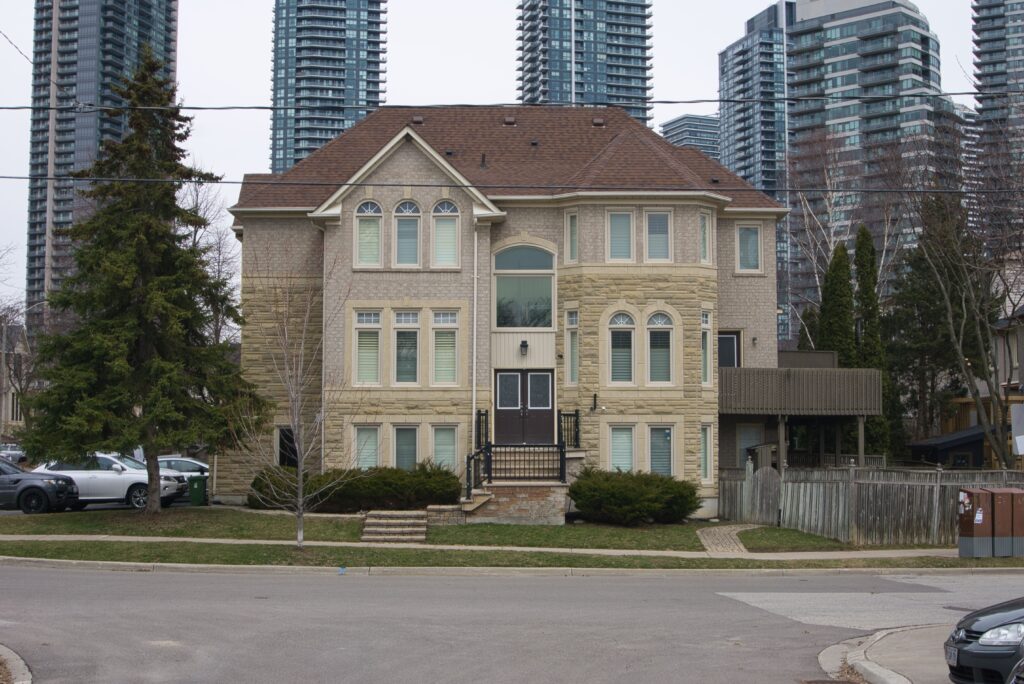
In Ontario, most home sales still happen through sealed, undisclosed competing offers, commonly called blind bidding. Buyers submit their best price without knowing what anyone else has offered, then find out after the fact whether they won, lost, or overpaid by a wide margin. Since 2023, Ontario sellers have had a second option. Here is what actually changed under the Trust in Real Estate Services Act, 2020 (TRESA), and what did not.
What TRESA actually did
TRESA came into force on December 1, 2023, replacing the older Real Estate and Business Brokers Act framework. Separately, and earlier, the Canadian Real Estate Association rolled out an “open offer” option on realtor.ca starting April 1, 2023, giving sellers a way to let buyers see how many offers are on the table and, if the seller chooses, the offer amounts. TRESA did not ban blind bidding and did not make disclosure mandatory. It simply gave sellers a documented choice between two systems that already existed informally.
The choice is entirely the seller’s
This is the part many buyers misunderstand. Open offers are opt-in, not the default. A seller’s brokerage decides, listing by listing, whether to run a blind process or an open one, and nothing requires them to say which in advance unless a buyer asks directly. In practice, most Ontario listings in 2026 are still sold blind, because many sellers and listing agents believe not disclosing protects the seller from buyers anchoring low.
What else RECO changed alongside TRESA
The Real Estate Council of Ontario used the same reform to eliminate the old “customer” category. Under the current rules, anyone working with a brokerage is either a client, who receives full representation, advice, and fiduciary duties, or a self-represented party, who can receive factual information about a property but no advice, no negotiation help, and no duty of loyalty from the agent involved in the deal. Multiple representation, where one brokerage represents both the buyer and the seller, is still legal in Ontario, but the brokerage must disclose it and both sides must consent in writing.
| Item | Detail |
|---|---|
| Law | Trust in Real Estate Services Act, 2020 (TRESA) |
| In force since | December 1, 2023 |
| Open offer option launched | April 1, 2023 (realtor.ca, nationwide) |
| Disclosure mandatory? | No, seller’s choice, listing by listing |
| Blind bidding still legal? | Yes, and still the most common method in Ontario |
Why this matters if you are bidding on a house right now
If you are a buyer in Toronto, Ottawa, or anywhere else in Ontario, you cannot assume the listing agent will volunteer which system is being used. Ask directly, in writing, before you submit an offer: is this seller running an open offer process, and if so, will you see the number of competing offers, the dollar amounts, or both? Some sellers disclose the count but not the amounts. Some buyers, on the other side, now insert confidentiality clauses into their own offers specifically to stop a seller from later disclosing what they bid, which can affect how later bidders calibrate their own offers.
It is also worth confirming, before you sign anything, whether you are being treated as a client or as a self-represented party. The distinction decides whether the person across the table owes you advice and loyalty, or only has to answer factual questions honestly.
Related tools and guides: Closing Costs & Land Transfer Tax Calculator · Mortgage Affordability Calculator
This is general information, not legal or financial advice. Rules under TRESA and RECO’s code of conduct can change and may be applied differently by individual brokerages. Confirm current requirements with a licensed Ontario real estate professional or RECO directly before relying on them. See our Disclaimer and Sources & Methodology.