FHA and conventional loans get most of the attention, but two federal programs let an eligible buyer put down literally nothing: USDA Rural Development loans and VA loans. Both are widely misunderstood as niche products for farmers or active-duty service members only, which is not accurate for either one, and both have real costs buried in a fee most buyers do not budget for.
Checked October 15, 2026. Figures below are 2026 program rules; your lender confirms the exact numbers for your county and situation.
USDA loans: zero down, but the address has to qualify
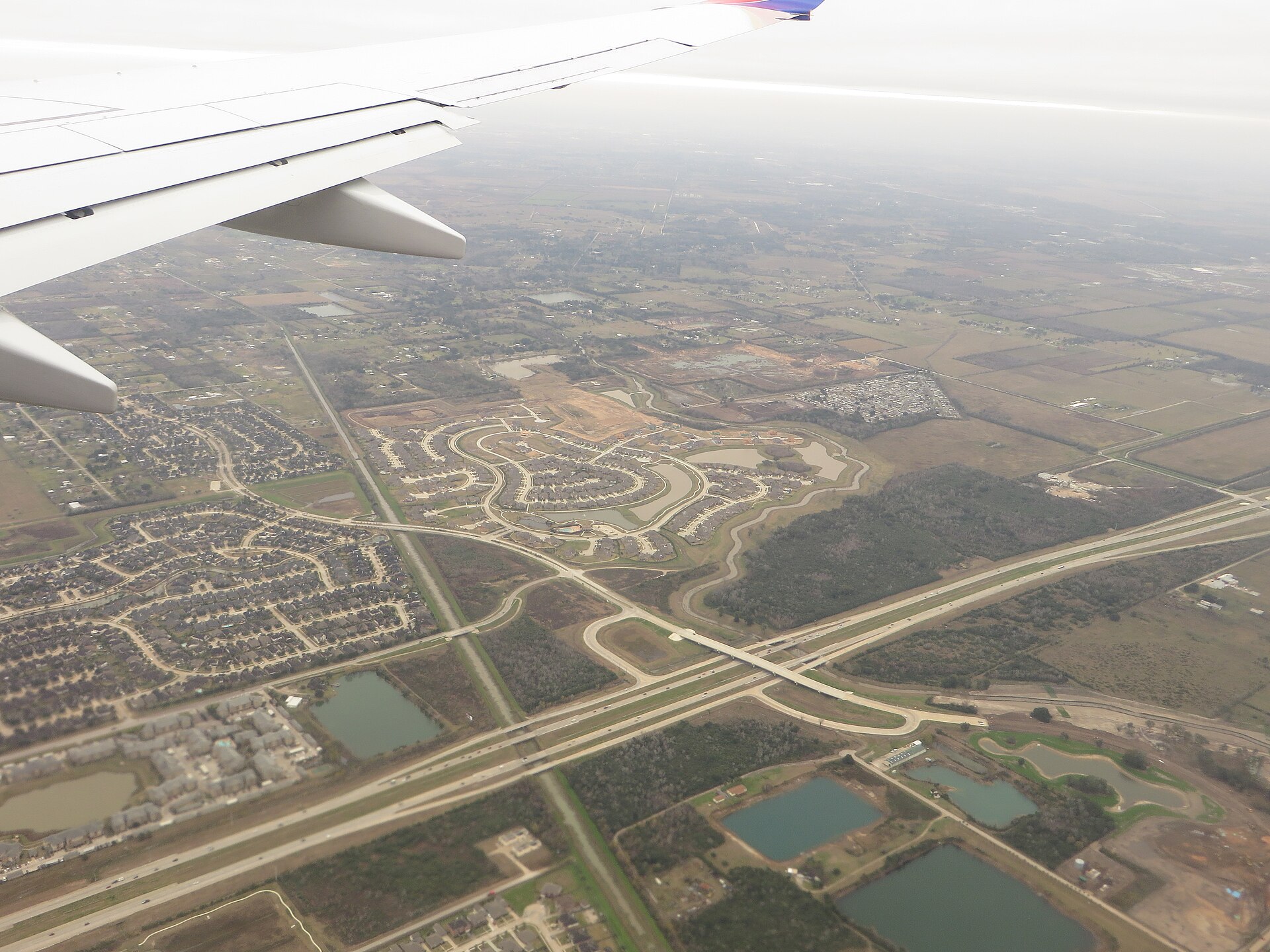
A USDA Rural Development guaranteed loan requires no down payment at all, but eligibility is tied to the property’s location and your household income, not your occupation. “Rural” under USDA’s map is broader than it sounds: many small towns and outer suburbs of mid-size metro areas qualify, not just farmland. The only way to know for certain is to check a specific address against the USDA’s own eligibility map before you fall in love with a house that turns out to be ineligible.
USDA income limits
Your household income generally must be at or below 115% of the area median income (AMI) for the county, and the limit rises with household size (roughly an 8% increase per additional person beyond four). Critically, USDA counts the income of everyone living in the household, including adults who are not on the loan, which trips up buyers who assumed only the borrower’s income mattered. Some deductions, such as childcare costs and medical expenses for elderly or disabled household members, can lower your adjusted income for the test.
USDA’s guarantee fee
In place of mortgage insurance, USDA charges a one-time upfront guarantee fee of 1% of the loan amount (which can be rolled into the loan rather than paid in cash) plus an annual fee of 0.35% of the remaining principal balance, split into your monthly payment. Both of these are materially cheaper than FHA’s upfront 1.75% plus annual MIP, which is one of the strongest reasons to check USDA eligibility before defaulting to FHA if your target property might qualify.
VA loans: zero down for eligible veterans, service members and some surviving spouses
VA-backed loans also allow 0% down and have no monthly mortgage insurance at all, which is a real structural advantage over FHA and conventional loans with less than 20% down. Eligibility runs through length and type of service (active duty, certain National Guard/Reserve service, and some surviving spouses), confirmed by a Certificate of Eligibility (COE) your lender can usually pull directly.
The VA funding fee: the cost most buyers do not see coming
VA loans replace mortgage insurance with a one-time funding fee, and the amount depends on both your down payment and whether this is your first VA loan:
0% down (less than 5%): 2.15% of the loan amount on a first use, 3.3% on a subsequent use.
5% to 9.99% down: 1.5%, the same rate whether it is your first or a later VA loan.
10% or more down: 1.25%, again the same for first or later use.
On a $400,000 loan with nothing down, that is $8,600 on a first use or $13,200 on a second VA loan, financed into the loan if you choose rather than paid in cash. Veterans with a VA service-connected disability rating of 10% or higher are fully exempt from the funding fee entirely, as are surviving spouses receiving Dependency and Indemnity Compensation (DIC) and Purple Heart recipients still on active duty – if you fall into any of these categories, make sure your lender actually applies the exemption, since it does not happen automatically on every file.
Why a 5% down payment can be worth making on a VA loan
Because the funding fee drops from 2.15%-3.3% down to a flat 1.5% once you put down just 5%, a VA borrower with some savings available is often better off making a modest down payment than going fully to zero, especially on a second or later VA loan where the zero-down fee jumps to 3.3%. Run both numbers with your lender before assuming zero down is automatically the better deal.
Sources: USDA Rural Development – Single Family Housing Guaranteed Loan Program · U.S. Department of Veterans Affairs – VA Funding Fee rates (effective since April 7, 2023, unchanged through 2026) · neighborsbank.com and valoannetwork.com program summaries. This is general information, not financial advice; a USDA-approved or VA-approved lender can confirm your eligibility and exact fees.
Related: Down Payment & Mortgage Insurance Calculator · Affordability Calculator · Documents to Buy a Home Checklist