
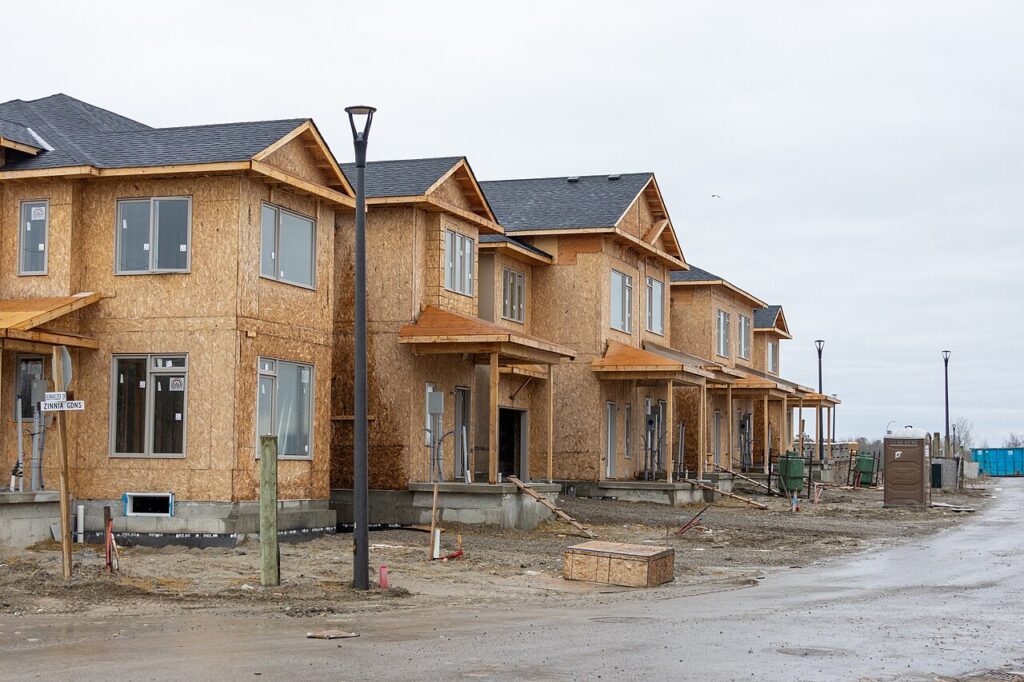
Every province requires a building permit before a new home goes up, but far fewer require anyone to stand behind that home once it’s built. Only Ontario, British Columbia, Alberta and Quebec have a mandatory new home warranty program with legal teeth; everywhere else, whether a buyer gets any warranty at all comes down to the individual builder, not the law. That gap is easy to miss when every province’s new-build listing talks about “warranty coverage” as if it means the same thing nationwide.
The numbers, in one place
| Province | Program | Checked |
|---|---|---|
| Ontario | Mandatory (Tarion) – deposit protection, delayed-closing compensation, defect coverage; up to $400,000 on freehold homes | Oct 15, 2026 |
| British Columbia | Mandatory (Homeowner Protection Act) – the “2-5-10” warranty, sold by private insurers, regulated by BC Housing | Oct 15, 2026 |
| Alberta | Mandatory (Homeowners Protection Act) – the “1-2-5-10” warranty, builder must be registered with a licensed insurer | Oct 15, 2026 |
| Quebec | Mandatory (GCR – Garantie de construction résidentielle) for most new houses and many condos; deposit protection up to $50,000 | Oct 15, 2026 |
| Saskatchewan & Manitoba | Optional programs only – no legal requirement that a builder offer warranty coverage | Oct 15, 2026 |
| Atlantic provinces (NL, NS, NB, PEI) | Optional (Atlantic Home Warranty) – many top builders participate, but nothing requires it | Oct 15, 2026 |
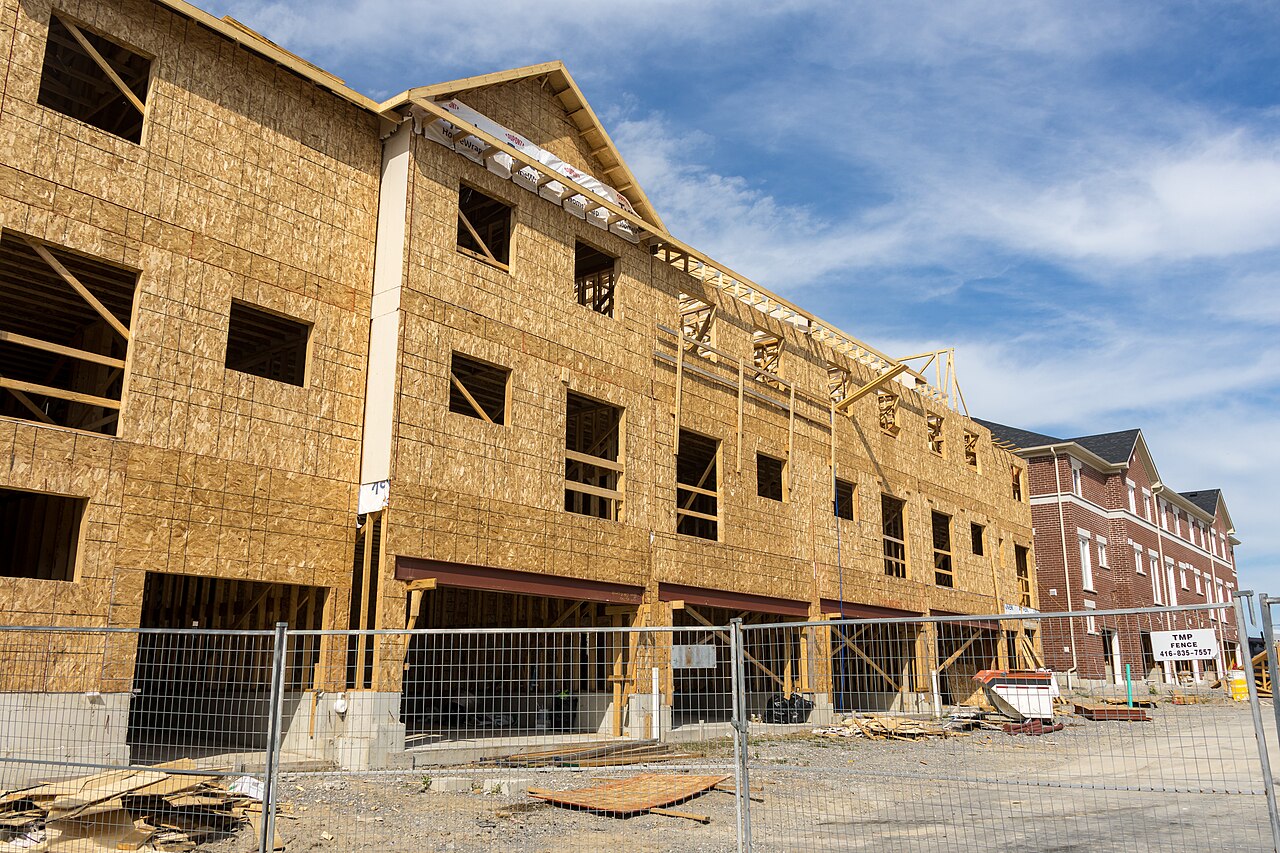
Ontario: Tarion, and a new 2026 registration rule
Tarion administers Ontario’s new home warranty and handles three things: protecting a buyer’s deposit if a builder breaches the agreement or goes bankrupt, compensating for a delayed closing, and covering construction defects after move-in. NerdWallet’s research puts the maximum at $400,000 for a freehold home and up to $100,000 per unit (capped at $3.5 million per project) for condo common elements, though buyers should confirm the current limits directly with Tarion since they’re periodically revised. The program changed in 2026: as of April 1, buyers of new freehold homes must notify Tarion within 45 days of signing their purchase agreement, free of charge at tarion.com/registertoday. Starting January 1, 2027, only buyers who complete this registration will qualify for the maximum deposit protection available — so a buyer who skips the 45-day window risks a smaller payout if the builder fails before closing.
British Columbia: the 2-5-10 structure
BC’s Homeowner Protection Act requires every licensed residential builder to carry third-party warranty insurance, sold by private insurers such as Travelers, Aviva, Intact and others, with BC Housing overseeing the system. The coverage is tiered: materials and labour defects are covered for 12 months on a detached home’s interior (up to 24 months on specific items like delivery systems and exterior components), the building envelope — the part of the home most exposed to water penetration — is covered for 5 years, and the home’s core structural elements are covered for 10 years. The warranty is attached to the home itself rather than the original buyer, so it carries over automatically if the home is resold within its coverage window.
Alberta: 1-2-5-10, and a maintenance condition that’s easy to miss
Alberta’s Homeowners Protection Act requires every new home to carry warranty coverage from a licensed insurer, with a structure often described as “1-2-5-10”: materials and labour defects covered for 1 to 2 years, the building envelope for 5 years, and structural defects for 10 years. The builder must be registered with both a licensed warranty provider and Alberta’s New Home Buyer Protection Office. One condition that trips up new owners: coverage requires the home to be maintained according to the Maintenance Manual the builder provides at closing — skipping basic upkeep (gutters, caulking, grading) can give an insurer grounds to deny an otherwise-valid claim.
Quebec: GCR, and it doesn’t cover everything
Quebec has required warranty coverage on new residential construction since 1999, now administered by Garantie de construction résidentielle (GCR) under the Régie du bâtiment du Québec. If a buyer purchases a covered building from a contractor who holds both an RBQ licence and GCR accreditation, coverage is automatic — protecting deposits up to $50,000 and covering apparent and latent construction defects, poor workmanship, and problems from unfavourable ground conditions. The plan covers all new single-family houses, but only some new condominiums, so a condo buyer specifically should confirm with the builder or GCR (garantiegcr.com) that the specific project is accredited before assuming coverage applies.
Everywhere else: no law requires anything
Saskatchewan and Manitoba each have a warranty program, but neither is mandatory under provincial law — Saskatchewan’s is opt-in for builders, and Manitoba’s is required only for builders who belong to the Manitoba Home Builders’ Association, not for every builder in the province. The four Atlantic provinces share a similar pattern through Atlantic Home Warranty, which many established builders choose to offer but which no statute requires. In every one of these provinces, whatever warranty exists is a matter of what’s written into the purchase agreement with that specific builder, not a legal entitlement — so reading that clause, or asking directly whether the builder is enrolled in a third-party warranty program at all, matters far more there than it does in Ontario, BC, Alberta or Quebec.
Related tools and guides: Home Inspection Checklist · Documents to Buy a Home Checklist · Questions to Ask Before You Buy
This is general information, not legal advice. Warranty programs, coverage limits and registration rules change and vary by province — confirm current terms with the relevant provincial warranty program or a real estate lawyer before relying on this for a purchase decision. See our Disclaimer and Sources & Methodology.