
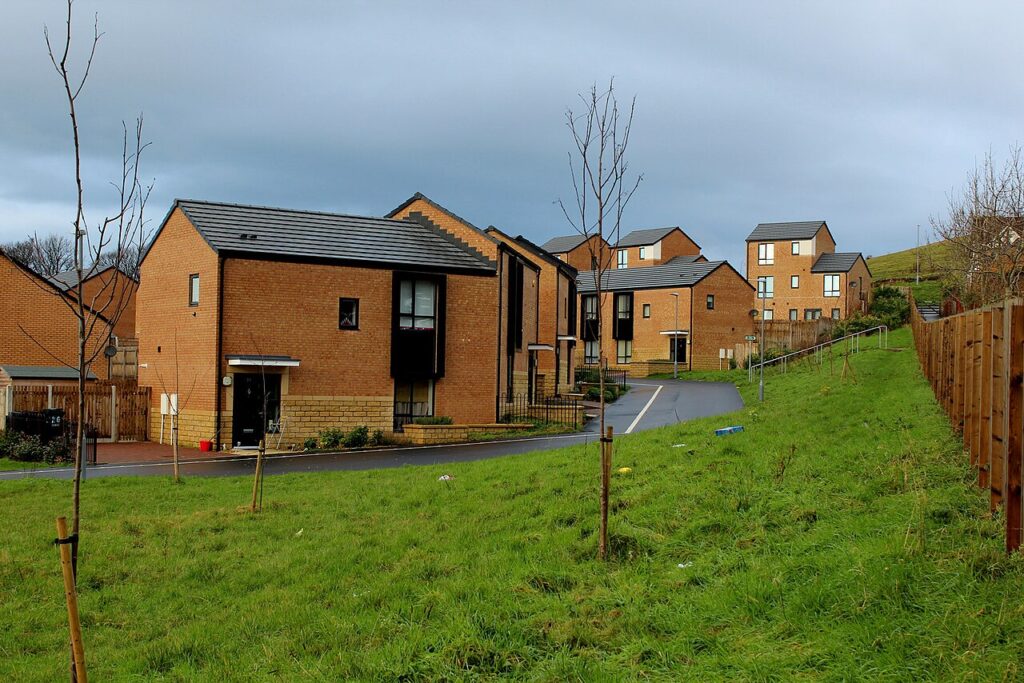
England’s First Homes scheme sells new-build homes to first-time buyers at a discount of 30% to 50% off market value — a discount that’s written into the property’s title and passed on to every future buyer, not just the first one. That part of the scheme is solid and already working in developments across the country. What’s far less solid, and what a lot of buyers don’t realise, is whether First Homes actually get built in the area they’re house-hunting in at all: a December 2024 planning rule change removed the national requirement that developers include them, leaving it to each local council’s own policy.
The Short Answer: What the First-Time Buyer Discount Actually Is
If you just want the headline: eligible first-time buyers get 30% to 50% off a new home’s market value under the First Homes scheme, most commonly 30%, and that discount is locked into the property’s title for future resales too. It is not guaranteed on every new-build site — see below for why.
The numbers, in one place
| Figure | What it means | Checked |
|---|---|---|
| Discount range | 30% to 50% off market value, set locally by the council (most commonly 30%) | Oct 15, 2026 |
| Income cap | Household income under £80,000 a year (£90,000 in Greater London) | Oct 15, 2026 |
| Minimum mortgage | A mortgage or loan covering at least 50% of the discounted purchase price | Oct 15, 2026 |
| Local connection window | Priority rules apply only in the first 3 months a home is marketed | Oct 15, 2026 |
| Where it applies | England only — no equivalent First Homes scheme in Scotland, Wales or Northern Ireland | Oct 15, 2026 |
| National building requirement | Removed in the December 2024 NPPF revision; now a local council discretion, not a default | Oct 15, 2026 |
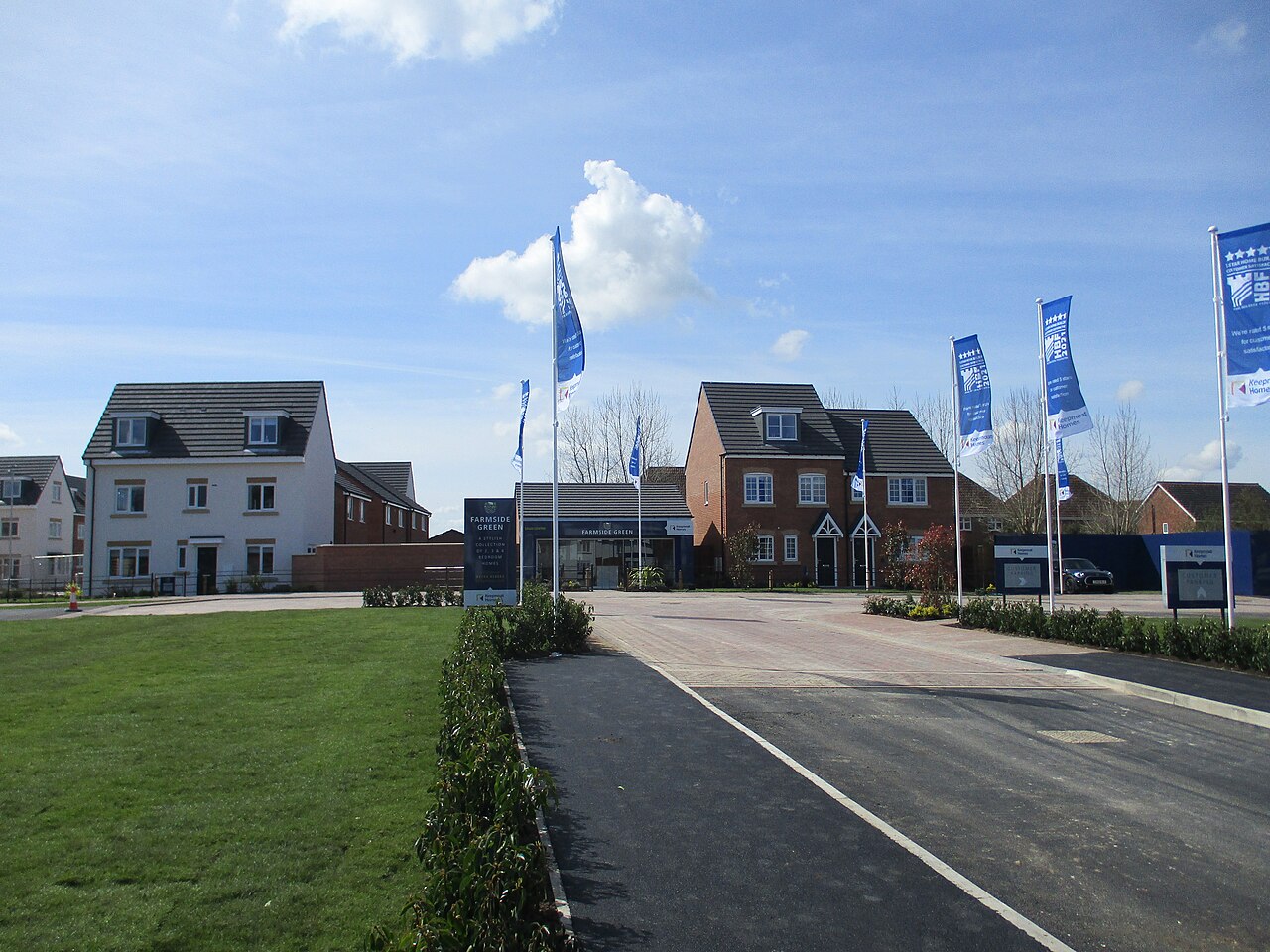
Other first-time buyer discounts in England
If you searched for a first time buyer discount, First Homes is only one route. These are the other main kinds of help in England, and each works differently:
- Stamp duty relief: first-time buyers pay no stamp duty on the first £300,000 of a home costing up to £500,000. See stamp duty and closing costs in England.
- Lifetime ISA: a government bonus on savings for a first home, with a price cap and a withdrawal charge if you use it for anything else. See our Lifetime ISA guide.
- Shared ownership: you buy a share of the home and pay rent on the rest, then buy more over time. See how staircasing works.
- Discount Market Sale: homes sold below local market value under council planning agreements, similar in spirit to First Homes but run locally.
First Homes vs the new Your First Home scheme (announced, not yet open)
Don’t confuse First Homes with Your First Home, the new government scheme announced in September 2026 and detailed at the 28 October 2026 Budget. It is a different product: an equity loan of 20% of the price on a new-build home in England, with a deposit of 2.5% and a mortgage for the rest, rather than a permanent discount on the price. It is not open yet: applications are expected to start in 2027, and the full rules, including local price caps and income limits, are still to be published. Unlike First Homes, the equity loan has to be repaid, as a share of the home’s value when you sell or repay.
So the practical difference is simple: First Homes cuts the price you pay forever, while Your First Home lends you part of the price. Check the official GOV.UK guidance once it is published before relying on either.
How the discount works, and why it never disappears
A First Homes property is sold at a discount of at least 30% below its full market value, with some councils setting the figure as high as 50% depending on local affordability. The discount isn’t a one-time saving that vanishes on resale: it’s locked into the title through a legal restriction, so when the owner eventually sells, they must sell at the same percentage discount to the next eligible first-time buyer, based on the home’s market value at that later point. In effect, every First Homes property stays part of a permanent, discounted segment of the local housing stock, and a genuine secondhand market in these homes is gradually developing in areas where enough of them have now been built and resold.
Who actually qualifies
To buy a First Home you must be at least 18, a first-time buyer, and able to secure a mortgage or loan for at least half of the discounted price — cash buyers who could cover the full amount without borrowing are not eligible, since the scheme is designed around genuine affordability need rather than investment purchases. Combined household income is capped at £80,000 a year everywhere in England except Greater London, where the cap rises to £90,000 to reflect higher local costs. Councils can also set a maximum price for the discounted home in their area, on top of the discount itself, so the scheme stays targeted at genuinely affordable homes rather than discounted luxury properties.
The local-connection rule only matters for the first three months
Many First Homes developments give priority to buyers with a local connection — typically people who live or work in the council area, or did so recently — but that priority window only applies during the first three months a home is marketed. If no eligible local buyer comes forward in that time, the home opens up to any eligible first-time buyer in England. Serving or former members of the armed forces, and in some cases their widows, widowers or surviving civil partners, are generally exempt from local-connection requirements altogether, reflecting the frequency with which service life requires relocation. Recent veterans typically qualify for a reserved share of First Homes units specifically set aside for them, on top of this exemption, though the exact share is set locally rather than nationally.
Why the discount isn’t the hidden detail — availability is
When the First Homes scheme launched, national planning policy required at least 25% of all affordable housing contributions on qualifying sites to be delivered as First Homes, which is why they appeared fairly consistently across new developments in the scheme’s first few years. That national requirement was removed when the National Planning Policy Framework was revised in December 2024. Delivering First Homes on a given site is now a matter for the local council’s own planning policy, not a default a developer must meet. In practice, this means the honest answer to “will there be a First Homes discount near me” now depends entirely on whether that specific council has kept its own First Homes requirement in its local plan, and buyers researching a new development should check that council’s current affordable housing policy directly rather than assuming the scheme still applies everywhere it once did.
Related tools and guides: Affordability Calculator · Down Payment & Mortgage Insurance Calculator · First-Time Buyer Savings Planner
This is general information, not legal or financial advice. First Homes eligibility, discount levels and local availability are set by individual councils and can change — confirm current details with the relevant council’s planning department or a solicitor before relying on this for a purchase decision. See our Disclaimer and Sources & Methodology.
The First Homes scheme offers a 30% to 50% discount off a home’s market value for eligible first-time buyers in England, most commonly set at 30% by the local council. The discount is written into the property’s title, so it carries forward to future buyers too.
No. Since the December 2024 NPPF revision, including First Homes in a development is a local council decision rather than a national requirement, so the discount is not available on every new scheme — availability depends on what each council has set as a planning condition.
You must be at least 18, a first-time buyer, and able to secure a mortgage or loan covering at least half of the discounted price. Household income must be under £80,000 a year (£90,000 in Greater London), and cash buyers who do not need a mortgage are not eligible.
Yes. The discount percentage is fixed in the property’s title deed, so when a First Home is resold, the next buyer gets the same percentage discount off the then-current market value, not a fixed cash amount.