
Ontario, British Columbia, Prince Edward Island and Quebec each rebate some or all of the land transfer tax (or “welcome tax”) a first-time buyer would otherwise pay — but the rules, caps and even the rebate mechanism are different in every one of them, and several provinces offer nothing at all. Alberta and Saskatchewan charge no land transfer tax in the first place, so there is nothing to rebate. Buyers who assume “every province has a first-time buyer break” can be caught off guard, especially in Quebec, where the rebate is a brand-new 2026 program most buyers haven’t heard of yet.
Rebates and exemptions at a glance
| Province | What first-time buyers get | Checked |
|---|---|---|
| Ontario | Refund of up to $4,000 off provincial land transfer tax (full tax waived on the first $368,000 of price) | Oct 15, 2026 |
| British Columbia | Full exemption up to $835,000 fair market value; partial exemption $835,000–$860,000; none above $860,000 | Oct 15, 2026 |
| Prince Edward Island | Full waiver of Real Property Transfer Tax, no price cap (the old $200,000 cap was removed in 2016) | Oct 15, 2026 |
| Quebec | New 2026 refundable tax credit: up to $5,875 toward the welcome tax, phased out between $750,000 and $1,000,000 | Oct 15, 2026 |
| Alberta & Saskatchewan | No land transfer tax exists, so there is nothing to rebate (Alberta charges small flat registration fees instead) | Oct 15, 2026 |
| Manitoba, Nova Scotia, New Brunswick, Newfoundland & Labrador | No dedicated province-wide first-time buyer rebate found | Oct 15, 2026 |
Ontario: up to $4,000, claimed at closing
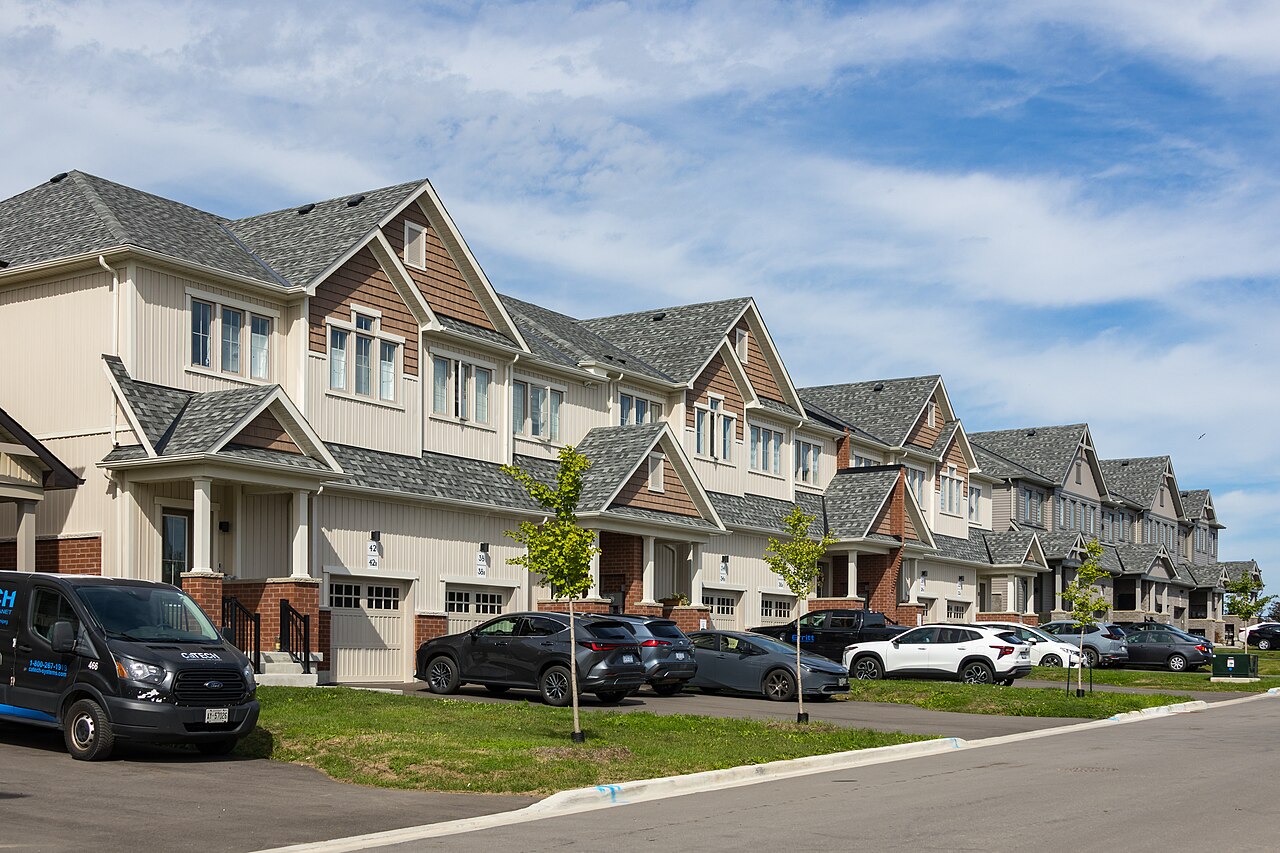
Ontario’s land transfer tax refund tops out at $4,000, which fully cancels the tax on the first $368,000 of an eligible home’s price — above that, you still owe tax on the rest, just reduced by the $4,000 credit. To qualify you must be at least 18, a Canadian citizen or permanent resident (or become one within 18 months of registration), have never owned an eligible home or an interest in one anywhere in the world, and move in as your principal residence within nine months. A spouse who has previously owned a home disqualifies both of you. Most buyers claim it right at registration through their lawyer; if that’s missed, there’s an 18-month window to apply directly to the Ministry of Finance, though no interest is paid on a late refund.
British Columbia: a value cap that can disqualify you overnight
BC’s First Time Home Buyers’ Program fully exempts the property transfer tax on homes valued at $835,000 or less, with a shrinking partial exemption up to $860,000 and nothing beyond that. The thresholds were raised from $500,000/$525,000 in April 2024, but in Vancouver and much of the Lower Mainland even a modest condo can sit right at the edge of that cap, so the exemption is worth checking against your actual purchase price before you assume it applies. Eligibility also requires a year of BC residency (or two of the last six years’ tax returns filed as a BC resident), Canadian citizenship or permanent residency, and never having owned a principal residence anywhere in the world.
Prince Edward Island: no cap, but a strict occupancy rule
PEI waives its Real Property Transfer Tax entirely for a qualifying first-time buyer, with no price ceiling since the province dropped its old $200,000 cap in October 2016. The trade-off is a firm occupancy condition: you must live in the home as your principal residence for at least 183 consecutive days after registration, or the exemption is forfeited and the tax becomes payable. Buyers who haven’t met PEI’s residency test at closing can still claim the exemption afterward, once they’ve lived in the home for 183 days.
Quebec: a new 2026 credit most buyers don’t know exists yet
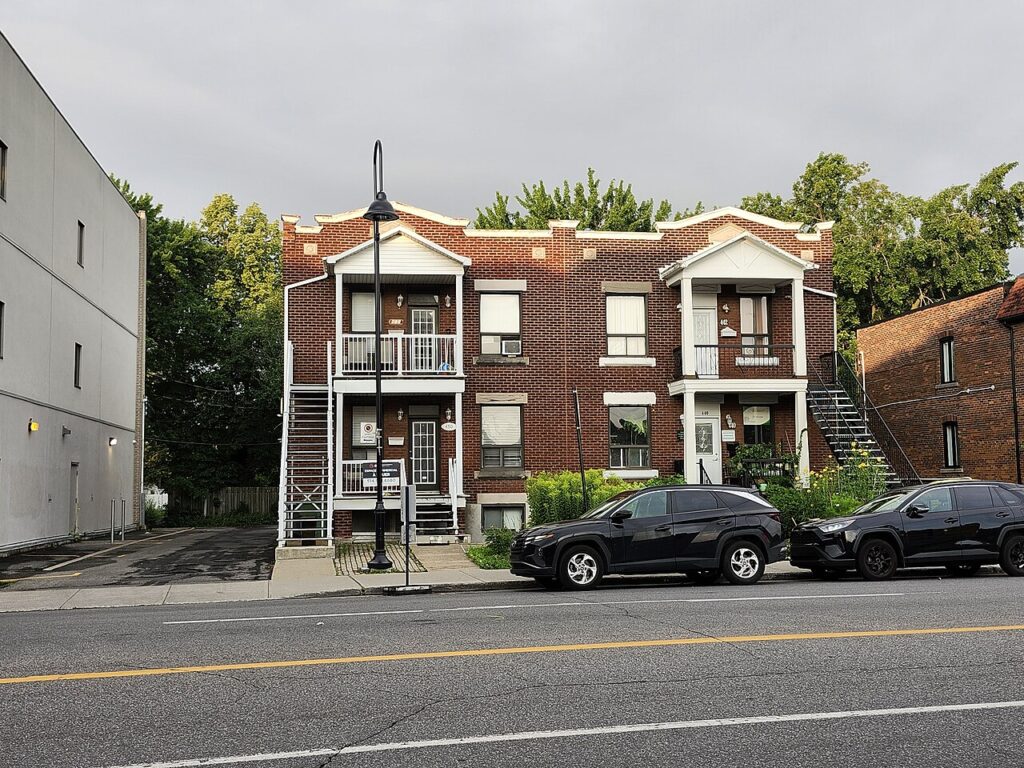
Quebec has never offered a traditional transfer-duty (“welcome tax”) rebate — until now. A new refundable tax credit, confirmed live on Revenu Québec’s own site, covers 100% of the first $5,000 of welcome tax plus 25% of the next $3,500, for a maximum of $5,875. It applies retroactively to homes acquired from January 1, 2026, phases out between $750,000 and $1,000,000 of the tax base, and is refundable even if you owe no income tax. You must not have lived in a home you or your spouse owned since January 1, 2022, and must intend to make the new purchase your principal residence within a year. Eligible buyers who’ve already paid the welcome tax in full can apply for an advance payment through Revenu Québec by December 1, 2026; otherwise it’s claimed on the tax return.
Alberta and Saskatchewan: nothing to rebate because there’s no tax
Alberta and Saskatchewan are the only two provinces that never charge a land transfer tax at all, so “first-time buyer rebate” isn’t really the right question there. Alberta buyers instead pay small, flat property and mortgage registration fees — on a $400,000 home with a $320,000 mortgage, that typically totals a few hundred dollars, nowhere near what an Ontario or BC buyer would owe in land transfer tax before any rebate.
If you are putting down less than 20%, your other big up-front cost is mortgage default insurance. Our guide to CMHC mortgage insurance shows the premium for each down payment level.
Related tools and guides: Closing Costs & Land Transfer Tax Calculator · First-Time Buyer Savings Planner · Down Payment & Mortgage Insurance Calculator
This is general information, not legal or tax advice. Rebate rules change with each provincial budget — confirm current eligibility and amounts with your lawyer, notary or the relevant provincial tax authority before relying on this for a purchase decision. See our Disclaimer and Sources & Methodology.