

Most buyers choosing between an FHA loan and a conventional one focus on the down payment number and stop there. The bigger cost difference, the one that keeps leaving the budget for years after closing, is the mortgage insurance attached to each option, and the two work nothing alike.
Two insurance systems, not one
An FHA loan is insured by the federal government through the Department of Housing and Urban Development, which is why lenders will approve borrowers with a credit score as low as 580 for 3.5% down, or as low as 500 with 10% down. In exchange, every FHA borrower pays mortgage insurance premium, or MIP, no matter their credit score or how much they put down. A conventional loan carries no government insurance at all. Private mortgage insurance, or PMI, only shows up if the down payment is under 20%, and some conventional programs allow as little as 3% down for qualifying first-time buyers. Where FHA charges the same MIP rate to almost everyone, PMI is priced individually, so two buyers putting the same amount down can pay noticeably different premiums depending on their credit.
What each one costs at closing
FHA charges an upfront MIP of 1.75% of the base loan amount, due at closing, though most borrowers finance it into the loan rather than paying it in cash. On a $386,000 loan, that is roughly $6,755 added to the balance before the first payment is even made. PMI, by contrast, usually requires little or no upfront payment; the cost is built into the monthly payment from day one.
The annual premium, and how long it actually lasts
Under HUD’s current schedule, annual MIP on a 30-year FHA loan with a base amount up to $726,200 runs 0.50% of the loan balance for borrowers putting down 10% or more, and 0.55% for anyone under 5% down; loans above that amount run 0.70% to 0.75% depending on the same down payment bands. PMI rates are not set by any government formula. Industry data from the Urban Institute puts the typical range at roughly 0.46% to 1.50% of the loan amount per year, with borrowers at 760 or higher credit landing near the low end and those around 620 to 639 near the top. A buyer with strong credit and 10% down can often get conventional financing with cheaper monthly insurance than FHA; a buyer with a 580 credit score and 3.5% down is usually better off with FHA’s flat, credit-blind pricing.
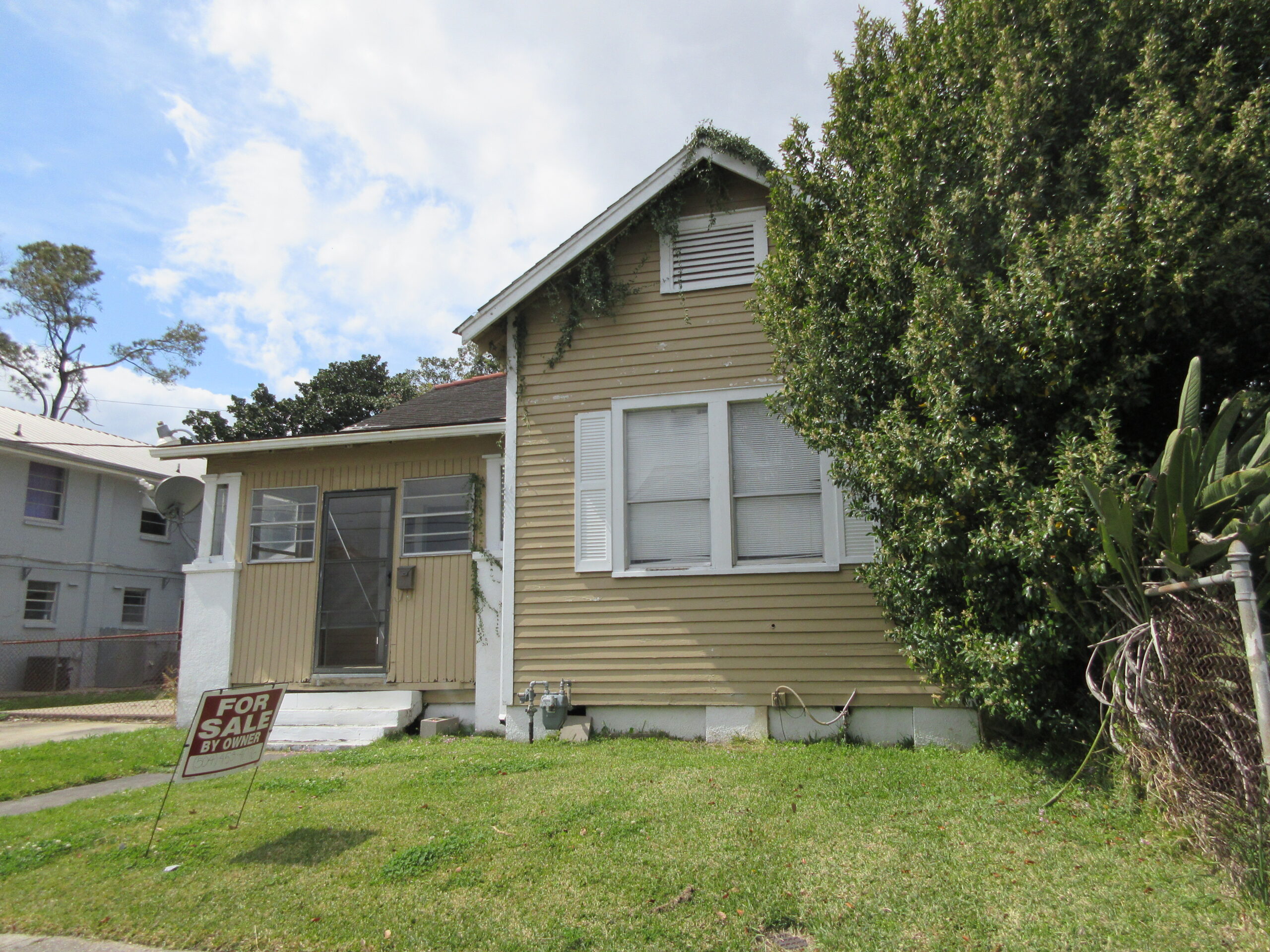
Photo: Infrogmation of New Orleans, CC BY-SA 4.0, via Wikimedia Commons
Worth knowing before you sign
FHA MIP cannot usually be cancelled just by paying down the balance, no matter how much equity builds up. If the original down payment was under 10%, which covers the large majority of FHA borrowers, the annual premium runs for the full term of the loan; the only way out is to refinance into a different loan once there is enough equity, which means paying closing costs a second time and accepting whatever interest rate is available then. PMI works the opposite way by law. Under the federal Homeowners Protection Act, PMI on a conventional loan terminates automatically once the balance is scheduled to reach 78% of the original property value, as long as payments are current, and a borrower in good standing can request cancellation themselves once the balance reaches 80%. On a 30-year amortization with normal payments, that 78% mark typically arrives somewhere around year nine to eleven, not at year thirty. Agents and loan officers do not always walk buyers through this difference before they pick a loan type, and it can be worth thousands of dollars over time.
A rough side-by-side
Take a $400,000 home. An FHA buyer putting 3.5% down borrows $386,000, pays about $6,755 in financed upfront MIP, and owes annual MIP of 0.55% since the down payment is under 5%, which works out to roughly $177 a month to start, due for the life of the loan unless the loan is refinanced. A conventional buyer putting 5% down borrows $380,000 with no upfront premium; at a representative mid-range PMI rate of about 0.75% for a borrower with decent but not excellent credit, that is roughly $238 a month at first, but it is scheduled to disappear automatically around the nine-to-eleven-year mark as the loan amortizes down to 78% of the original value. Over the time PMI is actually being paid, the conventional buyer may hand over a similar or larger total amount month to month, but the FHA buyer keeps paying long after the conventional buyer’s premium has ended, and that is where the FHA total eventually pulls ahead if the loan is held long-term. The numbers shift with credit score, interest rate and how long the home is kept, so these are illustrations, not a quote.
Loan limits for 2026
HUD’s FHA loan limit for a single-family home for case numbers assigned on or after January 1, 2026 is $541,287 in most of the country and up to $1,249,125 in the highest-cost areas. The Federal Housing Finance Agency set the 2026 baseline conforming loan limit for a conventional loan at $832,750, with higher limits in designated high-cost areas. A home priced above the conforming limit needs a jumbo loan, which follows its own insurance and qualification rules not covered here.
Both insurance costs are easy to underweight when comparing offers side by side, since they rarely show up as a single clear line item until the loan estimate arrives. Running the numbers for a specific purchase price and down payment through our Down Payment & Mortgage Insurance Calculator before choosing a loan type is a faster way to see the actual gap than comparing advertised rates alone.
This is general information, not mortgage or financial advice. MIP and PMI rates, loan limits and program rules can change, and actual pricing depends on the lender, the borrower’s credit profile and the specific loan product. Confirm current terms with HUD, the Consumer Financial Protection Bureau or a licensed loan officer before relying on them. See our Disclaimer for more.
Related tools
- Down Payment & Mortgage Insurance Calculator: minimum down payment plus CMHC, FHA or PMI cost
- Mortgage Calculator: monthly payment with taxes, insurance and extra payments
- Affordability Calculator: how much home your income can support
Browse all our free tools and checklists, or find quick answers in our FAQ.